This article may contain affiliate links. If you book or buy through these links, we may earn a commission at no extra cost to you. This does not affect our recommendations. As an Amazon Associate, I earn from qualifying purchases.
Last fact-checked: 28 July 2026. Prices, seasons and opening rules change — check anything that affects your budget on the day.
Kyoto has a reputation problem with food, and it works in both directions.
People arrive expecting either a city of unaffordable, intimidating kaiseki restaurants, or a city where you graze on skewers down a market arcade. Both pictures are wrong, and both lead to the same outcome: visitors spend far too much on one formal dinner, eat badly for the rest of the trip, and leave thinking Kyoto food is overrated.
The truth is more useful. Kyoto’s best value is at lunch, its most characteristic food is vegetarian almost by accident, and its most famous food street has a rule that most guides still get wrong. This guide is written from Kansai — I live in Nara and eat in Kyoto regularly — and it is about eating well there on a normal budget.
The short version
- Eat your big meal at lunch. The same kitchens charge a fraction of the dinner price for a similar kaiseki.
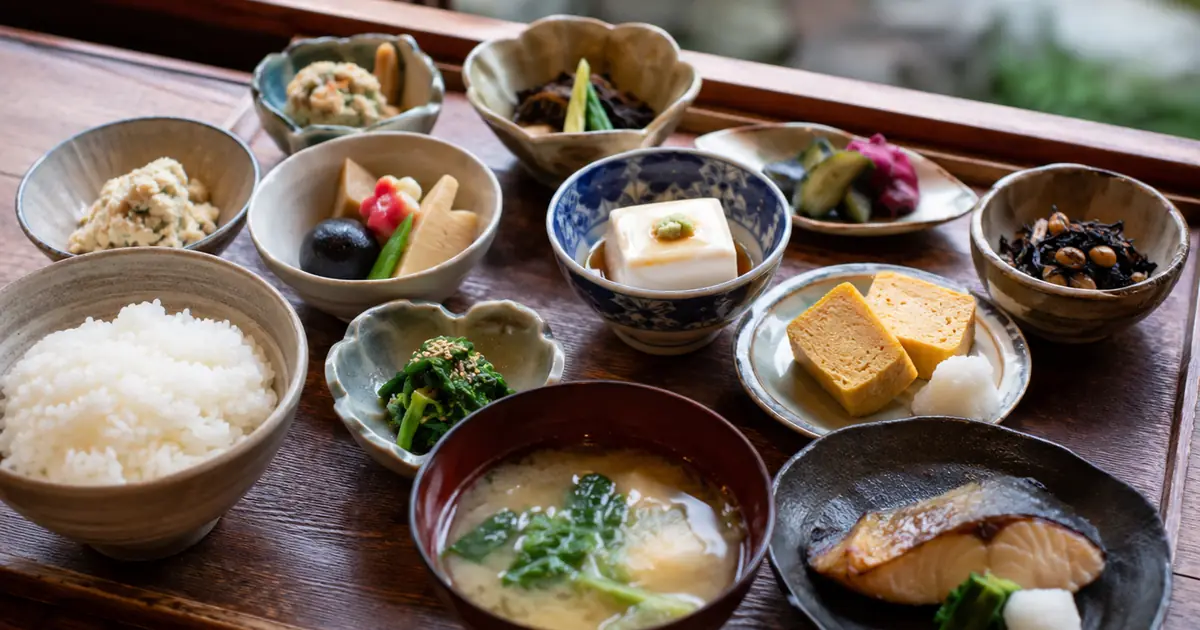
- Obanzai is the answer for most meals — Kyoto home-style side dishes, served as a set. It is the city’s best-value real food.
- You cannot eat while walking in Nishiki Market. This is an actual posted rule, not etiquette advice. Eat in front of the shop.
- Kyoto ramen is heavy, not delicate. The “refined Kyoto cuisine” reputation does not apply here, and that surprises people.
- Osaka is the better eating city. If food is your priority and you have both on the itinerary, plan your indulgent meals in Osaka.
- What a Day of Eating in Kyoto Actually Costs
- The Things Worth Your Stomach Space
- Where to Eat: Nishiki, Pontocho and Gion
- How to Order When There Is No English Menu
- Is a Food Experience Worth It in Kyoto?
- Bring the Kyoto Feeling Home
- Where to Stay If You Are Here for the Food
- Fitting the Food Into an Actual Trip
- Kyoto Food FAQ
What a Day of Eating in Kyoto Actually Costs
Kyoto is genuinely more expensive than Osaka for food, and pretending otherwise sets you up for a bad surprise. But the gap is almost entirely in the evening, and almost entirely avoidable.
| Meal | Typical range | What you get |
|---|---|---|
| Obanzai set lunch | ¥1,200–2,500 | Four or five Kyoto side dishes with rice and soup. The value pick. |
| Yudofu set | ¥2,000–5,000 | Simmered tofu, sides, rice. Temple-adjacent restaurants sit at the lower end. |
| Kaiseki lunch | ¥3,000–5,000 | A shortened multi-course meal. This is the one to book. |
| Kaiseki dinner | ¥10,000–20,000+ | The full experience. Wonderful, and three to four times the lunch price. |
Ranges as of July 2026 and they have been moving upward. Treat them as planning figures, not quotes.
🏠 The lunch rule is the single biggest money saver in Kyoto
Kyoto’s serious restaurants run a shortened version of the same kitchen at midday. You get fewer courses in a shorter sitting, but the same cooking, the same room and often the same garden view — for something in the region of a third of the dinner price. Almost nobody visiting for the first time knows this, and it is the difference between having one memorable formal meal on your trip and having none. Book the lunch, eat something simple at night.
The Things Worth Your Stomach Space
Obanzai — the one to eat most often
Obanzai is Kyoto home cooking: small dishes of simmered, dressed or pickled vegetables, tofu, and sometimes fish, made with what is in season. You order a set and get several at once with rice and miso soup. It is not a spectacle and it does not photograph dramatically, which is exactly why visitors skip it — and it is the most genuinely Kyoto thing you can eat for the money.
Yudofu — simple, and not for everyone
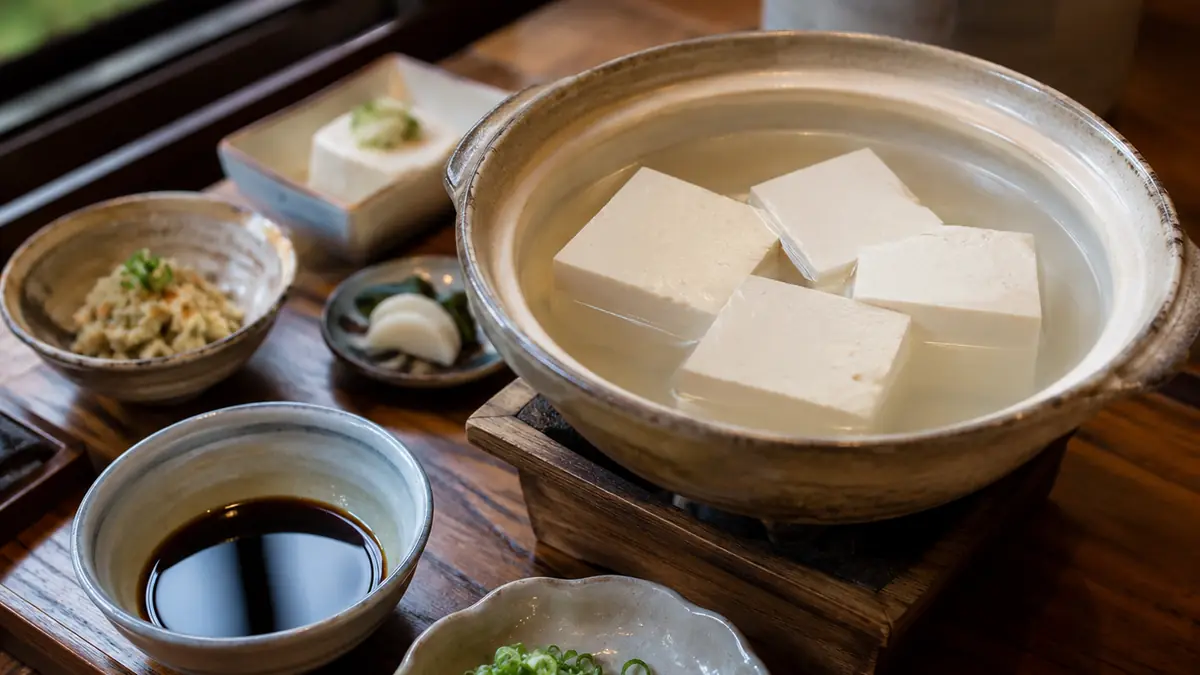
Blocks of tofu simmered in a kombu broth at your table, eaten with condiments and a dipping sauce. Kyoto’s soft water and its Buddhist temple tradition made the city’s tofu famous, and the classic setting is a restaurant near a temple in the eastern hills. Be honest with yourself about whether you actually like tofu. If you do, this is lovely and quietly memorable. If you are ambivalent, paying ¥4,000 to find out is a bad trade.
Yuba — the one nobody expects to like
Yuba is the delicate skin that forms on the surface of heated soy milk, lifted off and served fresh, rolled, or in a broth. It is a texture more than a flavour, it appears constantly in kaiseki and temple cooking, and it converts far more sceptics than yudofu does.
Nishin soba — the winter default
Buckwheat noodles in hot broth with a sweet-simmered dried herring on top. It is a Kyoto institution, it is inexpensive, and it exists in almost every soba shop in the city. If it is cold and you want one cheap, warm, unmistakably Kyoto meal, this is it.
Matcha sweets — worth it, with one caveat
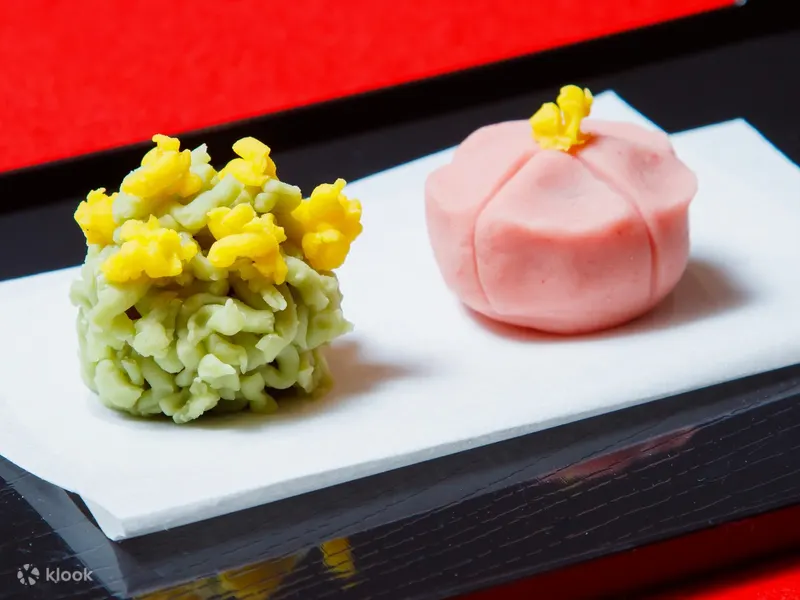
Uji, just south of Kyoto, is one of Japan’s great tea regions, and the city’s matcha desserts are the real thing rather than a tourist invention. The caveat is that “matcha” now appears on a great many products aimed squarely at visitors. The reliable move is to buy from a tea shop rather than a souvenir shop, and to try a proper wagashi — a seasonal sweet designed to be eaten with tea — at least once.
⚠️ Kyoto ramen is not delicate. At all.
Everything about Kyoto’s food reputation says “light and refined”, and then you sit down to a bowl of Kyoto ramen and it is a heavy, rich, often thick soy-and-pork-fat broth — closer to a workmanlike student meal than anything in a kaiseki room. This is not a lesser version of Kyoto cuisine; it is a separate tradition that grew up alongside it. Go in expecting richness and you will enjoy it. Go in expecting elegance and you will be confused.
Where to Eat: Nishiki, Pontocho and Gion
Three areas that get named in every guide, doing three completely different jobs. Sending all your meals to the first one is the standard mistake.
| Area | What it is good for | When to go | Honest verdict |
|---|---|---|---|
| Nishiki Market | Pickles, tea, tofu, knives, seeing the ingredients | Morning, weekday | A shopping street, not a street-food strip. Read the rule below before you go. |
| Pontocho | Atmosphere, riverside terraces in summer | Evening, and May–October for the terraces | The best evening walk in the city. Prices span everything from cheap to enormous. |
| Gion | Formal dining, the historic streets | Book ahead, any time | Beautiful and the least walk-in-friendly. Not where to wander hungry. |
🏠 Nishiki Market: eating while walking is banned, and this is a real rule
A great many guides still describe Nishiki as a grazing street. The merchants’ association prohibits eating and drinking while walking, and shops expect you to eat what you buy standing in front of that shop, or in the eat-in space many of them provide. The reason is practical rather than ceremonial: it is a 390-metre covered arcade with around 130 shops, it gets extremely tight, dropped food made the floor dangerous, and people were being jabbed with skewers.
Go in the morning on a weekday, buy one thing at a time, and stop to eat it. Done that way it is genuinely excellent. Done as a walking snack crawl it is stressful, crowded, and mildly rude.
🏠 If you are here between May and October, eat over the river once
Restaurants along Pontocho and the Kamo river build raised wooden terraces out over the water for the warm months — noryo-yuka, or kawayuka. In 2026, around 87 establishments opened from 1 May, with the season extended through the end of October. It is the single most atmospheric meal in Kyoto, and it is not automatically expensive: the terraces range from kaiseki houses down to places serving quite ordinary food at ordinary prices. You are paying for the deck, the river noise and the evening air. Book, and ask specifically for a yuka seat — it is not the default.
⚠️ Gion is not a walk-in neighbourhood
Some of Kyoto’s most traditional establishments operate on introduction only — the practice of declining first-time customers who have not been introduced by an existing patron. It is not aimed at foreigners; it applies to Japanese customers too, and the logic is about trust and settling bills. In practical terms: do not plan to arrive in Gion hungry and find somewhere. Book in advance, or eat elsewhere and walk the streets afterwards. Also keep to the main streets with your camera — the private lanes have posted photography restrictions and fines, and geiko and maiko walking to work are people going to their job.
How to Order When There Is No English Menu
Kyoto has more English menus than Osaka in the tourist core and fewer once you step off it. The systems are the same across Japan — a ticket machine at the door, a counter where you order aloud, or a table with a menu — and knowing which one you are in front of removes most of the anxiety. We cover all three, plus the phrases that actually work, in How to Order Food in Japan.
Two Kyoto-specific notes. First, lunch sets are frequently written only in Japanese even where the dinner menu is bilingual, so the cheapest option is often the invisible one — point at what the person next to you is having. Second, if you are vegetarian, Kyoto is the easiest city in Japan for you and a trap: temple cuisine is genuinely plant-based, but ordinary obanzai and soba broths are full of fish stock. The phrase you need is in the ordering guide.
Is a Food Experience Worth It in Kyoto?
More than in most cities, because Kyoto’s specialities are the ones that are hardest to understand by just eating them. Knowing why a wagashi is shaped the way it is, or what the tea ceremony is actually doing, changes what the rest of your trip tastes like. These are the three we would look at.
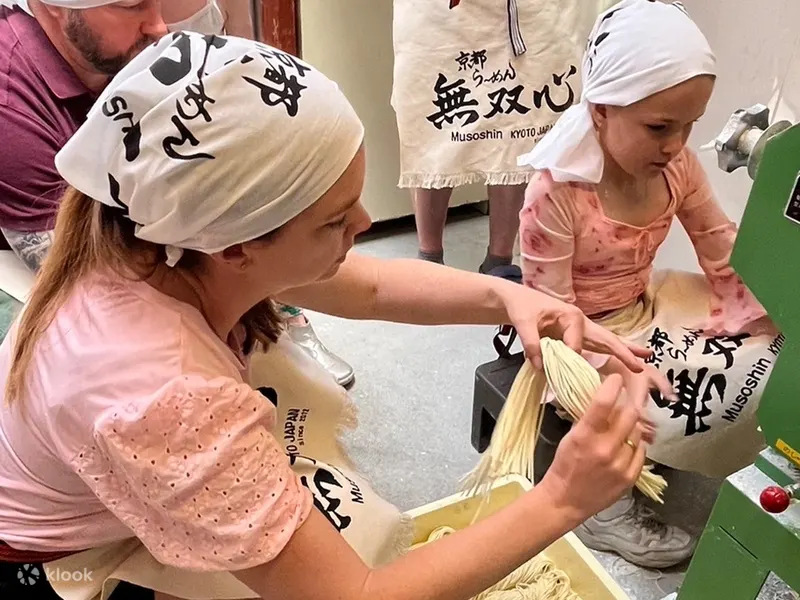
Ramen making — the family option
Making noodles from scratch is a good counterweight to a trip that is otherwise all temples, and it is the most kid-friendly of the three by some distance.
Wagashi making — the cheap one, honestly rated
Shaping seasonal sweets by hand takes about an hour and costs very little, which is why it has been booked so heavily. Its review score is good rather than outstanding, and we would rather tell you that than pretend otherwise — treat it as an inexpensive, pleasant hour, not as the highlight of your trip.
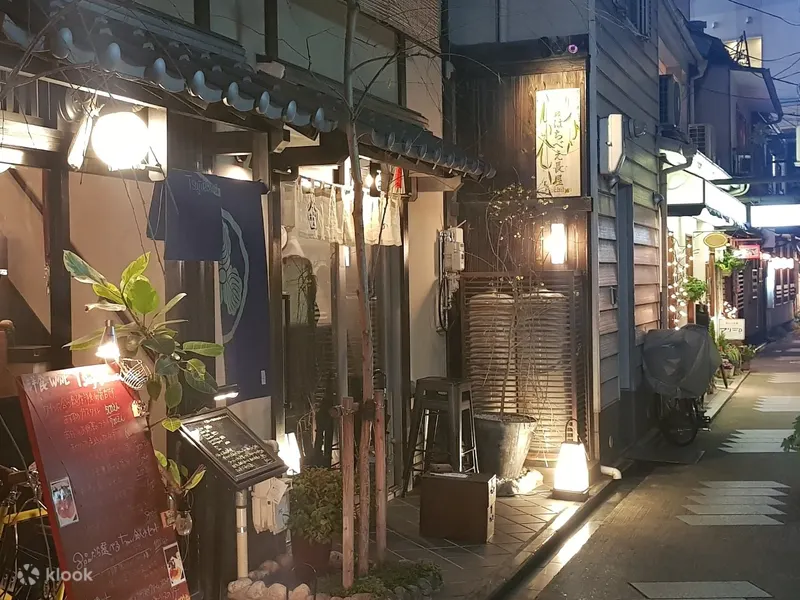
An evening food tour — the one that solves the Gion problem
This is the strongest argument for a guided thing in Kyoto specifically. The places that are hardest to walk into alone — small, unmarked, no English, the ones you would never try — are exactly what a night tour is for. Do it early in your stay, not on your last night.
If you would rather understand the tea than the food, a tea ceremony session is the other thing worth an hour in Kyoto, and it has far more reviews behind it than anything above.
Bring the Kyoto Feeling Home
Matcha is the obvious choice, but the useful distinction is how you will use it. Buy a small unsweetened tin for drinking, or choose a culinary-grade option for lattes and baking. A small Japanese snack box is an easier gift if you do not want another ingredient in the kitchen. Check the current seller, package size and delivery date before buying.

Straight matcha
Naoki Matcha Superior Blend
View current Amazon page

For lattes or baking
Jade Leaf Matcha Culinary Grade
View current Amazon page

Small gift
Japanese Assorted Mini Chocolate Snack Pack
View current Amazon page
Where to Stay If You Are Here for the Food
Kyoto empties out in the evening in a way Osaka does not, and the practical consequence is that where you sleep decides where you can eat. Restaurants close earlier, the bus network gets slow and crowded, and a hotel that is fine for temple-hopping can be a poor base for dinner.
For a food-first trip, stay downtown — the Kawaramachi and Nishiki area, walking distance to Pontocho and the river. Kyoto Station is the better choice if you are day-tripping to Osaka and Nara; Gion is the choice if atmosphere matters more than dinner options.


The full area-by-area comparison, including which areas to avoid on a first trip, is in where to stay in Kyoto.
Fitting the Food Into an Actual Trip
A workable shape for two days: obanzai or a kaiseki lunch on day one, Nishiki in the morning of day two, and one evening on the river or with a guide. That leaves your other meals free, which matters more than it sounds — Kyoto rewards a light dinner after a heavy day of walking.
- Kyoto 2-day itinerary for first-timers — where these meals actually fit
- First day in Kyoto: from Kansai Airport to your hotel
- Japanese convenience stores — for the nights Kyoto closes early, which will happen
Kyoto Food FAQ
Is Kyoto food expensive?
At dinner, yes, more than most of Japan. At lunch, no — an obanzai set is inexpensive and a kaiseki lunch runs roughly a third of the dinner price. The city’s reputation for expense comes almost entirely from people eating their formal meal in the evening.
Can I really not eat while walking in Nishiki Market?
Correct. Eating and drinking while walking is prohibited by the merchants’ association, and shops expect you to eat in front of the shop or in their eat-in space. Plenty of visitors ignore it; the staff notice, and it is the reason the arcade has become unpleasant at peak times.
Do I need to book restaurants in Kyoto?
For anything formal, and for a riverside terrace in summer, yes. For obanzai, soba, ramen and casual places, walk in. Gion is the area where turning up without a booking most often fails.
Is Kyoto or Osaka better for food?
Osaka, clearly, if you mean eating a lot of very good things cheaply. Kyoto is better if you mean one carefully made meal in a beautiful room. If both cities are on your trip, put the indulgence in Kyoto at lunch and the volume in Osaka at night.
What can vegetarians eat in Kyoto?
More than anywhere else in Japan — temple cuisine (shojin ryori), yudofu, yuba and much of the vegetable side of obanzai. The catch is dashi, the fish stock in most broths and simmered dishes, which is present in things that look entirely plant-based. Read the dashi section in our ordering guide before you rely on a menu description.
What is the riverside dining season?
The Kamo river terraces run from 1 May, and in 2026 the season was extended to the end of October. Ask for a yuka seat when booking — it is a separate request from a table.
Is a tea ceremony worth doing?
If you have any interest in why Kyoto food looks the way it does, yes — the aesthetics of kaiseki come straight out of it. It is also short, indoors, and a good rainy-afternoon option.
What one thing should I eat if I only have a day?
An obanzai lunch. It is the cheapest, the most local, and the most representative of how Kyoto actually eats — and it leaves your money and your appetite free for the evening.
Planning your first Japan trip? Get the free Japan Starter Guide — a simple checklist covering what to book before you arrive, where to stay in Kansai, and what most first-time visitors get wrong.
Get the Free Japan Starter Guide →
Next, read what to book before your first Japan trip — the things that are genuinely worth arranging in advance, and the ones that are not.