This article may contain affiliate links. If you book through these links, we may earn a commission at no extra cost to you. This does not affect our recommendations.
Most visitors see Nara as a day trip from Osaka or Kyoto. That works well for Nara Park, Todaiji Temple and Naramachi.
But Nara City can also be a useful base for a different kind of Kansai trip.
Stay for two or three nights and you can take the train to Asuka’s rice fields and ancient sites, Horyuji’s quiet temple town, or the cedar forest and local food around Ohmiwa Shrine. These are three separate day-trip choices, not three stops for one rushed day.
As someone based in Nara, I would choose one direction each day. You will enjoy the landscape, lunch and local shopping far more than if you spend the day chasing connections.
Last fact-checked: July 25, 2026. Train schedules, bus routes, opening hours and seasonal services can change. Check the official links in each section before you travel.
- Quick Answer: Which Day Trip Should You Choose?
- Why Use Nara City as Your Base?
- Compare Asuka, Horyuji and Ohmiwa Shrine
- Asuka: Countryside, Cycling and Ancient Japan
- Horyuji: The Easiest Half-Day Trip
- Ohmiwa Shrine: Sacred Forests and Miwa Somen
- Choose by Nature, Food or Souvenirs
- Can You Combine Two Places in One Day?
- Getting to Nara from Kansai (KIX) or Itami (ITM) Airport
- Should You Stay in Nara for These Trips?
- Do You Need a Car, Tour or Rail Pass?
Quick Answer: Which Day Trip Should You Choose?
- Choose Horyuji for the easiest half-day trip, important architecture and a quiet rural temple town.
- Choose Ohmiwa Shrine for cedar forest scenery, Shinto culture, Miwa somen and small edible gifts.
- Choose Asuka for a full day of countryside, cycling, ancient sites and seasonal farm food.
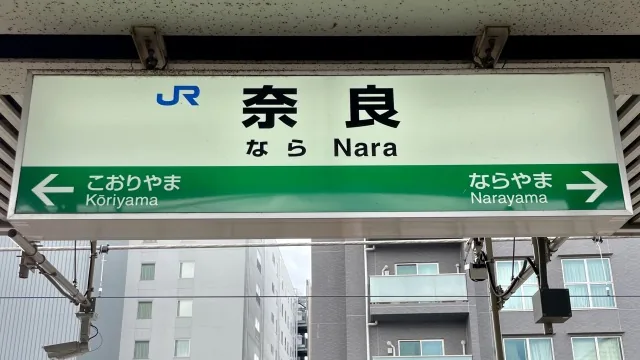
You do not need a rental car for any of these three trips. Horyuji and Ohmiwa are easiest from JR Nara Station. Asuka is reached from Kintetsu Nara Station, with transfers, and is easier to explore by bicycle or local bus after you arrive. Do not try to visit all three on the same day.
Why Use Nara City as Your Base?
The usual Kansai plan is to sleep in Osaka or Kyoto and visit Nara Park once. That is sensible on a short first trip. Nara becomes more useful as a base when you want to see places beyond the deer park without changing hotels every night.
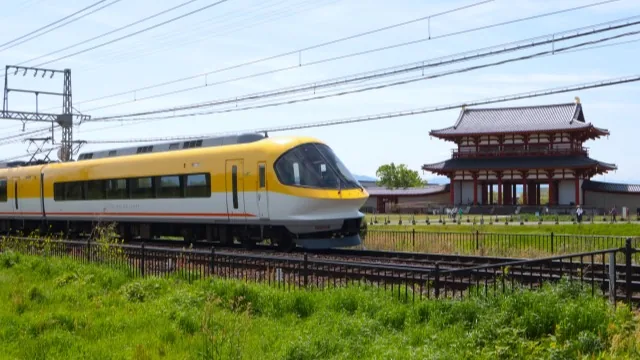
From Nara City, JR trains take you west toward Horyuji and south toward Miwa and Sakurai, while Kintetsu trains take you toward Kashihara and Asuka. You can return to Nara City for dinner rather than carrying luggage through a rural sightseeing day. One hotel in Nara can support several slower day trips.
If you are still choosing between Osaka, Kyoto and Nara, compare the trade-offs in Where to Stay in Kansai. For your first visit to the deer park and Todaiji, use the complete Nara day-trip route instead of this guide.
Compare Asuka, Horyuji and Ohmiwa Shrine
| Destination | Best for | Start in Nara | Local movement | Food to look for | Useful souvenir |
|---|---|---|---|---|---|
| Asuka | Countryside, cycling and ancient history | Kintetsu Nara | Bicycle or local bus | Seasonal produce, Asuka Ruby in season | Farm products or history-themed goods |
| Horyuji | Easiest half day, architecture, temple-town walking | JR Nara | Walk or local bus; bicycle for the wider area | Tatsuta-age | Calligraphy goods, incense, small regional items |
| Ohmiwa | Sacred forest, walking, distinctive local food | JR Nara | Mostly on foot near the shrine | Miwa somen or warm nyumen | Dried somen, monaka sweets, local sake |
Shortest and simplest: Horyuji. Most active: Asuka. Best food-and-nature combination: Ohmiwa Shrine. My practical rule: use JR Nara for Horyuji and Ohmiwa, and Kintetsu Nara for Asuka.
Asuka: Countryside, Cycling and Ancient Japan
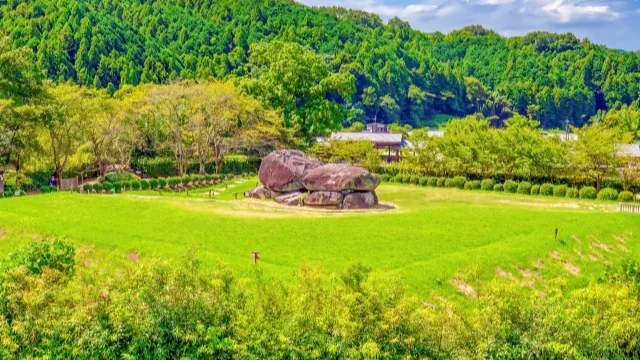
Asuka is the best choice when you want your day to feel rural rather than urban. Ancient sites, fields, small temples and museums are spread across the village, so the train gets you to the area, but the day works better when you plan your movement after arrival. From Kintetsu Nara, the basic route uses Kintetsu services through Yamato-Saidaiji and Kashiharajingu-mae before continuing to Asuka. The official Nara guide gives an example of a little over an hour, but the real journey depends on your connections.
What the Day Feels Like
Asuka is about the space between the sights as much as the sights themselves: rice fields, quiet lanes and low hills, then ancient tombs, temple sites or a viewpoint. Official guidance recommends a rental bicycle or local bus because the attractions are spread out. An electric-assist bicycle is the more forgiving choice in warm weather. A simple day: arrive near Asuka Station or Kashiharajingu-mae, collect a bicycle or confirm the current bus route, choose two or three major stops rather than every marker, leave time for a farm shop or local lunch, and return the bicycle with margin for your train back.
Nature, Food and Souvenirs
Asuka’s strongest experience is its cultivated landscape. Food changes with the season: Asuka Ruby strawberries are associated with the area and are generally available from winter into spring, not year-round. The Asuka Yume Hanbaijo farmers’ market near Asuka Station is a practical last stop for edible souvenirs; check current opening times before planning your return around it.
Current alert (July 25, 2026): the National Asuka History Park Hall is closed for renovation (separate from the Takamatsuzuka Mural Hall). Check the official park facility page before visiting.
Horyuji: The Easiest Half-Day Trip
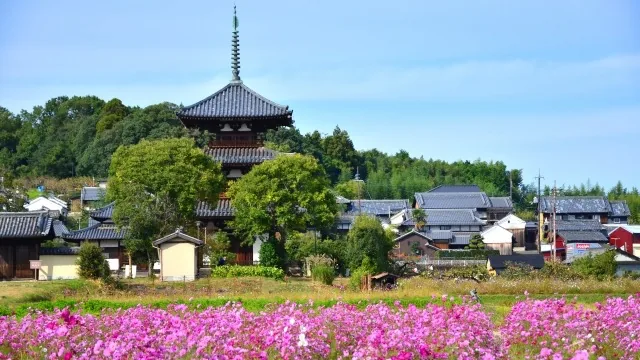
Horyuji is the best first choice if you want an important historic site without giving the whole day to transport. Take the JR Yamatoji Line from JR Nara Station to JR Horyuji Station; official examples place the ride at roughly 10 to 13 minutes, then about 15 to 20 minutes on foot or the local bus. Check current admission, hours and photography rules on the official Horyuji visitor page.
Food and Souvenirs
Look for Tatsuta-age, the local soy-seasoned fried chicken tied to Ikaruga and the Tatsuta River — a better fit for this trip than repeating Nara Park snacks. For souvenirs, the Horyuji i Center has multilingual information and a small shopping area; shops around the temple town may carry calligraphy tools, incense, local rice, sake and temple-themed items. Treat opening days as variable and check on the day.
Summer note (July 25, 2026): outdoor volunteer guiding is suspended from July 13 through early September as a heat-safety measure. The temple remains a possible independent visit, but do not expect an outdoor volunteer guide during this period.
Ohmiwa Shrine: Sacred Forests and Miwa Somen
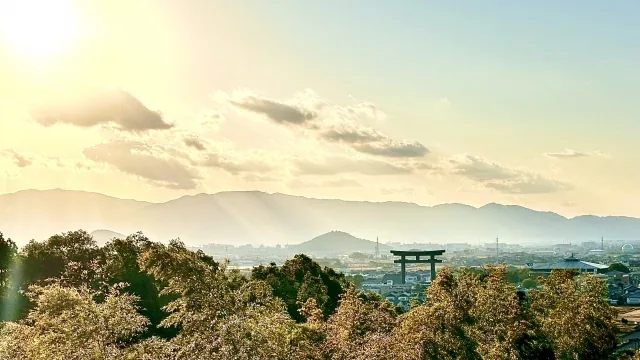
Choose Ohmiwa Shrine when you want the strongest combination of nature, spiritual atmosphere and local food. Take the JR line from JR Nara toward Sakurai and get off at JR Miwa Station; the shrine is about five minutes on foot. The official Sakurai guide describes Sakurai as a little under 30 minutes from JR Nara, with Miwa one stop before it. Check your return train before walking away from the station — services from Miwa can be less frequent than the urban lines around Osaka and Kyoto.
What the Day Feels Like
Ohmiwa is not a grand building-centered visit in the way Horyuji is. The atmosphere comes from the cedar forest and Mt. Miwa itself, which is treated as sacred. Walk quietly through the shrine area, then add a short section of the Yamanobe-no-Michi if weather, daylight and your energy allow. Do not present Mt. Miwa as an ordinary hiking mountain; entry rules are controlled by the shrine.
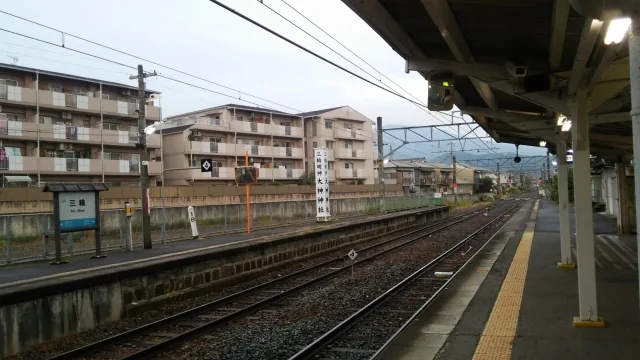
Current alert (July 21, 2026): Mt. Miwa ascent is suspended until further notice because of extreme heat. Do not include the ascent in your itinerary unless the official Ohmiwa notice confirms it has reopened.
Food and Souvenirs
Miwa somen is the food to build this trip around. The very thin noodles are served cold in warm weather and as hot nyumen when it is cooler, and dried somen is one of the easiest local foods to pack as a souvenir. Other local choices include Mimuro monaka (a wafer sweet filled with bean paste), local sake connected with Miwa’s brewing culture, and seasonal shrine-area gifts. If you plan to taste sake, remember you are returning by train and check the shop’s current tasting rules and opening day.
Choose by Nature, Food or Souvenirs
For nature: Asuka for open fields and cycling; Ohmiwa for shaded cedar forest and a sacred mountain; Horyuji for a quieter town with farmland around historic sites. For food: Ohmiwa for Miwa somen, nyumen, monaka and sake; Horyuji for Tatsuta-age; Asuka for seasonal farm produce and Asuka Ruby in season. For souvenirs: Ohmiwa’s dried somen is practical and strongly tied to the place; Asuka has farm products and ancient-history-themed goods; Horyuji has calligraphy goods and incense.
Do not choose a restaurant or shop only from an old list. Rural businesses may close earlier, take irregular holidays or sell out. Confirm the same day and keep one backup food option near the station.
Can You Combine Two Places in One Day?
For most first-time visitors, no. Asuka, Horyuji and Ohmiwa are in different directions and deserve separate trips. Better pairings for future detailed routes are Asuka + Kashihara Jingu (same southern direction), Ohmiwa Shrine + part of the Yamanobe-no-Michi (one local experience), and Horyuji + Yamato-Koriyama (a second compact JR stop). The parent rule remains one day, one direction.
Getting to Nara from Kansai (KIX) or Itami (ITM) Airport
Nara has no airport of its own, so you arrive through one of Osaka’s two airports and continue by bus or train.
From Kansai International Airport (KIX):
- Easiest with luggage — Airport Limousine Bus. A direct bus runs from KIX to the JR Nara / Kintetsu Nara area in roughly 1 hour 45 minutes for about ¥2,400, with no transfers. Check current times on the official Nara Kotsu KIX–Nara limousine page.
- By train. Take the JR Haruka toward Tennoji, then the JR Yamatoji Line to JR Nara — roughly 75 to 90 minutes with one transfer. A cheaper route is Nankai to Namba, then the Kintetsu Nara Line to Kintetsu Nara. See the Kintetsu airport access page.
From Osaka Itami Airport (ITM): a direct Airport Limousine Bus runs to the JR / Kintetsu Nara area in roughly 1 hour 20 minutes for about ¥1,750. Buses are roughly hourly, so note the departure time. Check the official Nara Kotsu ITM–Nara limousine page. Fares and times are approximate and can change — confirm the current timetable before you travel.
Should You Stay in Nara for These Trips?
Stay in Nara for at least two nights if one or more of these trips matters to you. A practical pattern: Day 1, Nara Park, Todaiji and Naramachi; Day 2, Horyuji or Ohmiwa Shrine; Day 3, Asuka if you have another full day. Stay near JR Nara Station if Horyuji and Ohmiwa are priorities, near Kintetsu Nara Station if Nara Park and Asuka matter more, or between the two for flexibility.
And if the hotel itself is part of why you are coming, that has changed too. Nara now has a handful of stays people plan a trip around, including one inside a former prison. See Best Hotels in Nara: Why Nara Stopped Being a Day Trip.
Where to Base Yourself in Nara
Which station you sleep next to matters more here than the hotel itself. The rule from earlier still applies: JR Nara for Horyuji and Ohmiwa, Kintetsu Nara for Asuka. These are the three I would actually point a friend to — one for each way of using Nara as a base.


Whichever you choose, check the hotel’s exact walking time to your station on the map before booking. Nara City is small, but a hotel described as “in Nara” can still sit next to the wrong station for your plan.
Hotel search: use the Agoda search box below and enter Nara. Compare the map location against JR Nara and Kintetsu Nara before you book. The search box displays in English, while the final Agoda results page may adapt to your browser or location settings.
If you are arriving from Kansai International Airport, first read the Kansai Airport transfer guide before deciding whether Nara should be your first base.
Do You Need a Car, Tour or Rail Pass?
Rental car: not needed for these three trips. A car helps more for deeper southern Nara, remote mountain areas, or a multi-day route with weak public transport. Guided tour: these routes can be self-guided; do not book a generic Kyoto-and-Nara tour expecting it to visit Asuka, Horyuji or Ohmiwa, and verify every listed stop before paying. If you prefer a guided day trip from Osaka or Kyoto, compare options in Best Klook Day Trips from Osaka or Kyoto. Rail pass: Horyuji and Ohmiwa use JR while Asuka uses Kintetsu, so a pass that covers one route may not cover the other — compare the full trip, not one day.
Before You Leave the Hotel
- Check the live train and bus route, and confirm the final return service.
- Save the destination name in Japanese.
- Check heat, rain and bicycle conditions.
- Confirm the current opening day of any restaurant or shop you care about.
- Carry some cash for small rural businesses.
- Keep mobile data available for route changes — see the Japan eSIM guide if you still need a plan.
Planning your first Japan trip? Use What to Book Before Your First Japan Trip to separate reservations that matter from things you can decide later.