This article may contain affiliate links. If you book or buy through these links, we may earn a commission at no extra cost to you. This does not affect our recommendations.
Last fact-checked: July 26, 2026. Train times, ticket rules, pass coverage and hotel availability change through the year, so treat the numbers below as planning logic and compare the current price and schedule before you book.
Three days is the sweet spot for a first trip to Osaka. It is long enough to eat well, spend one full day at Universal Studios Japan, and still take one easy day trip — without the exhausting “new city every morning” feeling that ruins so many first Japan trips.
The mistake most first-timers make is planning Osaka as a list of attractions. Osaka rewards a different approach: pick one base, then let each day have a clear job. Day one is for arriving gently and eating. Day two is for the one big ticket (usually USJ). Day three is for either the city or one day trip. That is the whole plan, and everything below just fills it in.
- Quick Answer: The 3-Day Osaka Shape
- The Three Days at a Glance
- Before You Go: What to Set Up First
- Day 1 — Arrive, Drop Bags, and Eat Osaka at Night
- Day 2 — Universal Studios Japan
- Day 3 — Osaka City, or One Easy Day Trip
- How to Adapt These 3 Days
- Food Near the Route
- Where to Stay for This Itinerary
- 3 Days in Osaka: Common Questions
- The Day After: Where This Trip Goes Next
- Plan Your First Japan Trip
Quick Answer: The 3-Day Osaka Shape
If you only read one section, read this.
- Base: stay in Namba for a first trip. It gives you Osaka’s best food-and-nights, a simple airport arrival, and clean access toward Nara. If Kyoto is the bigger part of your trip, base in Umeda instead.
- Day 1 — Arrive and eat: land at Kansai Airport, drop your bags, walk Dotonbori and Namba at night.
- Day 2 — USJ: one full day at Universal Studios Japan. Book tickets before you fly.
- Day 3 — City or day trip: either central Osaka (Osaka Castle, Umeda, Shinsekai) or one day trip to Nara or Kyoto.
| Day | Focus | Book ahead |
|---|---|---|
| Day 1 | Arrival + Dotonbori/Namba food night | eSIM, airport transfer (optional), a food tour |
| Day 2 | Universal Studios Japan | USJ ticket (and Express if you want it) |
| Day 3 | Osaka city or Nara/Kyoto day trip | Osaka Amazing Pass or a day tour |
Quick hotel picks for this route: choose Namba for the easiest first Osaka stay, Shinsaibashi/Dotonbori for nights out, or Umeda if Kyoto is a major part of your trip. Compare your exact dates before you book.
If you are still deciding between areas, start with Where to Stay in Osaka for USJ, Nara and Kyoto.
The Three Days at a Glance
| Day | Its job | Where you are | Evening |
|---|---|---|---|
| Day 1 | Arrive gently and eat | Airport to Namba, drop bags | Dotonbori and the Namba side streets after dark |
| Day 2 | The one big ticket | Universal Studios Japan, full day | Back to Namba or Umeda for dinner, or an early night |
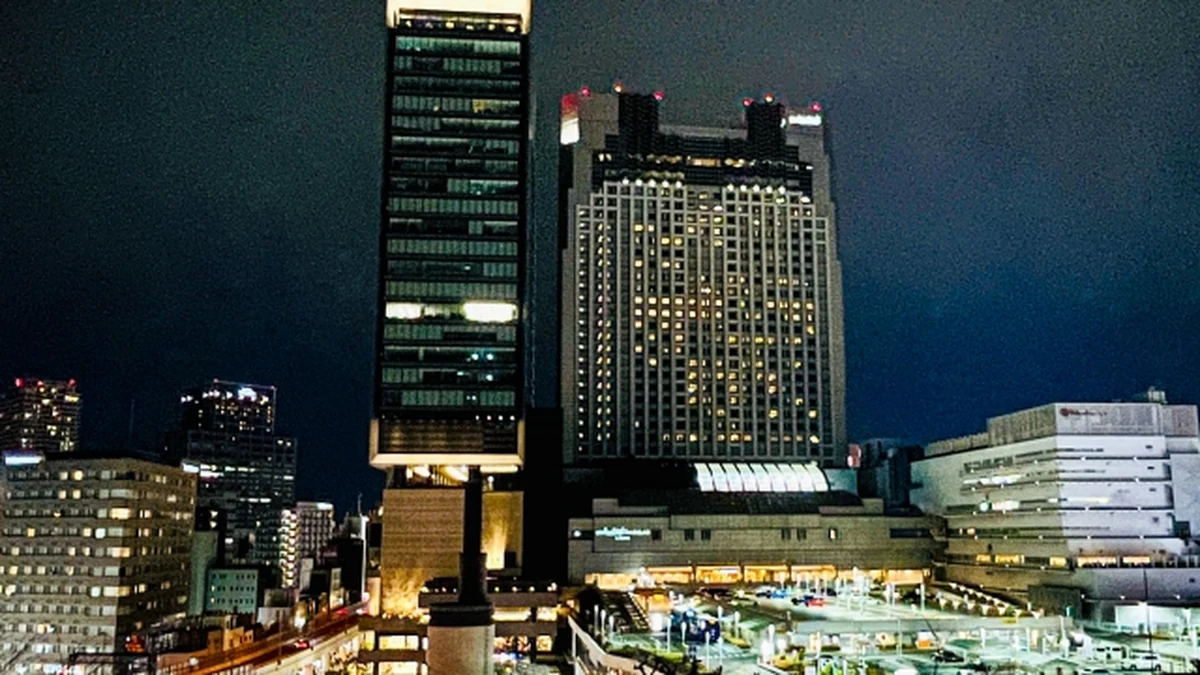
| Day 3 | City, or one day trip | Osaka Castle and Kuromon, or Nara or Kyoto | Umeda Sky Building, or Shinsekai and kushikatsu |
What three days in Osaka costs
Per person, excluding your hotel. These are planning ranges checked in July 2026, not quotes.
| What | Rough cost | Notes |
|---|---|---|
| Airport to Namba, one way | ¥970–1,490 | Nankai Airport Express ¥970, Rapi:t limited express ¥1,490. Full comparison in Day 1 below. |
| USJ 1-Day Studio Pass, adult | ¥8,900–10,900 | Date-based pricing, so the same ticket costs different amounts on different days. |
| Local transport, 3 days | ¥1,500–2,500 | Subway hops on an IC card. Osaka is compact and this plan does not sprawl. |
| Food | ¥3,000–6,000 per day | Osaka is where you should spend it. Street food is cheap and dinner can be whatever you want. |
| Osaka lodging tax | ¥0–500 per person per night | Free under ¥5,000 a night. See the note under Where to Stay, because how it is collected changed in 2026. |
Before You Go: What to Set Up First
A little pre-trip work is what makes these three days feel calm instead of rushed.
- Get an eSIM. You want maps, train changes, translation and ticket apps working from the moment you land. Set it up before you leave the airport. Start with Best eSIM for Japan.
- Decide your base before you open a booking map. The right area is worth more than a slightly cheaper room — use the Quick Answer logic above (Namba for a balanced first trip, Umeda for a Kyoto-heavy one), then book the area, not just the lowest price.
- Book the USJ day early. Ticket type and any Express Pass can shape which day you go and even whether you sleep near the park, so decide it before you fly (full details on Day 2).
- Plan the airport arrival. From Kansai Airport, the train to Namba is one of the simplest arrivals in Osaka. For the full route and the train-vs-bus-vs-taxi choice, use Kansai Airport Transfer Guide.
Day 1 — Arrive, Drop Bags, and Eat Osaka at Night
Day one should be low-effort on purpose. You will be tired, and Osaka is at its best in the evening anyway.
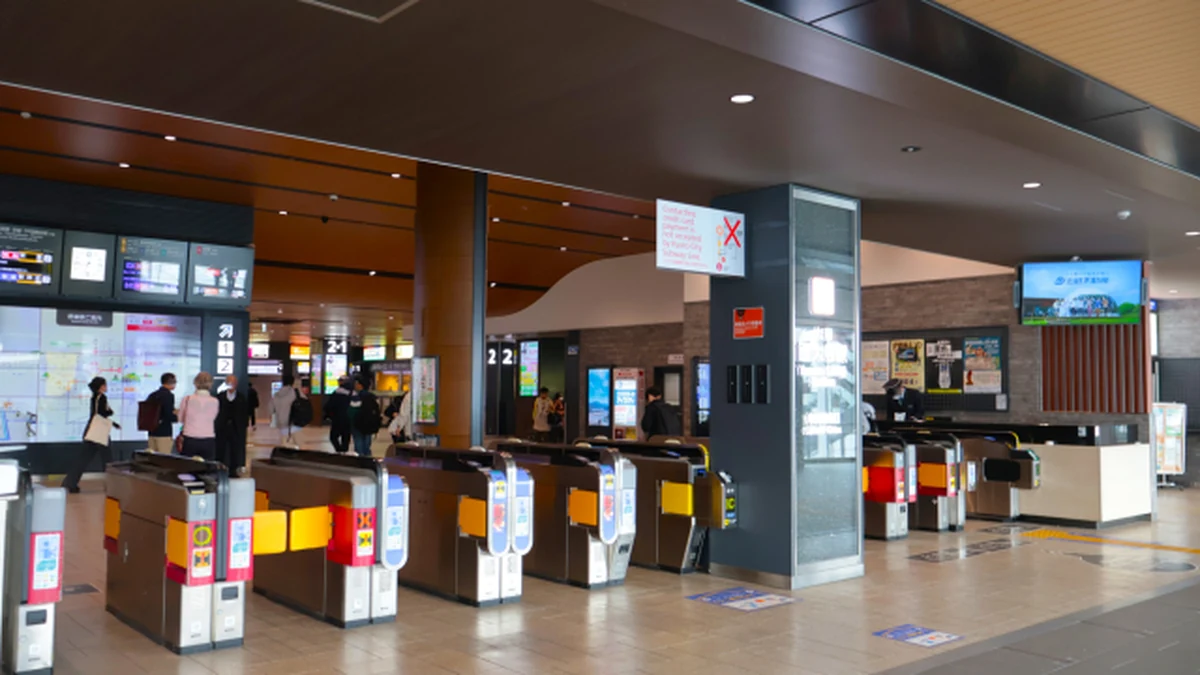
Afternoon: get in and settle. From Kansai International Airport, take the Nankai line toward Namba; it is a short, direct ride and the easiest way to reach a central Osaka base. If you are landing late, travelling with kids, or carrying heavy luggage, a pre-booked door-to-door transfer can be the calmest option even though it is not the cheapest — check the current vehicle size, luggage rules and pickup point first. Compare Kansai Airport transfers on Klook. For the step-by-step version of this exact arrival, read First Day in Osaka: KIX to Namba.
| KIX to Namba | Time | Cost | Best for |
|---|---|---|---|
| Nankai Airport Express | about 45 min | ¥970 | Most people. A normal commuter train, no reservation, frequent departures. |
| Nankai Rapi:t limited express | from 34 min | ¥1,490 Super Seat ¥1,700 |
Big luggage, rush hour, or arriving frazzled. Every seat is reserved, so you sit down. |
| Private transfer or taxi | about 50–70 min | varies, book ahead | Late landings, kids, or three suitcases between two people. |
🏠 Local note: the Rapi:t looks cooler than it needs to be
The Rapi:t is the blue one that looks like a submarine, and travel articles love it. It is genuinely nice, but it saves you about ten minutes over the Airport Express for ¥520 more. What you are actually buying is a guaranteed reserved seat with luggage space, which matters enormously at 6pm on a Friday with two suitcases, and barely at all at 11am on a Tuesday with a backpack. Buying through Nankai’s ticketless service knocks ¥150 off, if you do decide you want it.
My luggage rule: if your hotel is a clean walk from the station, check your bags there first. If check-in is later, use a major-station coin locker or luggage counter rather than dragging a suitcase through Dotonbori at dinner time. Lockers near the busiest stations fill up on peak days, so have a backup in mind.
Evening: the Dotonbori and Namba food walk. This is the classic first Osaka night, and it earns its reputation. Walk the Dotonbori canal for the neon and the famous signs, then eat your way through the side streets: takoyaki, okonomiyaki, kushikatsu, ramen, and conveyor-belt sushi are all within a few blocks. Hozenji Yokocho, a lantern-lit stone alley a minute off the main drag, is the easy “quieter” contrast when the crowds get heavy.
If you would rather not guess from a map on your first tired night, a small-group food walk hands you the local picks and the ordering confidence in one evening. Compare the current route, inclusions, review count and cancellation rules before booking: See a Dotonbori and Namba food walk on Klook.
Photo note: Dotonbori is a night subject. Come after dark for the reflections on the canal; midday photos here are flat and crowded.
Day 2 — Universal Studios Japan
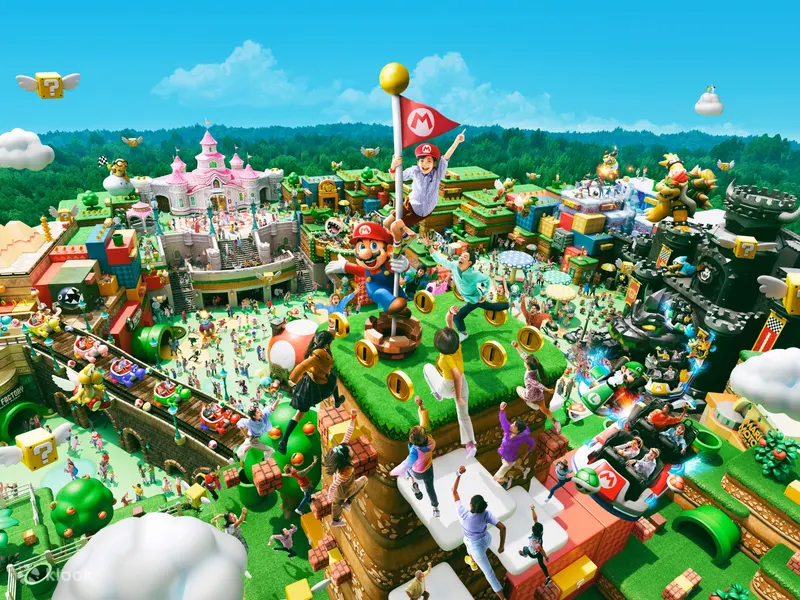
Day two is the one day you build the whole trip around, because a theme-park day does not flex. Treat it as its own project.
Book before you fly. Buy your Studio Pass in advance, and decide early whether you want an Express Pass — it is the single biggest lever on how much you actually ride. Check USJ Studio Pass availability on Klook. For the details on ticket types, timed-entry areas and the official app you now need on the day, read USJ Tickets Guide before you go — do not leave this for the morning of.
Arrive early. The park rewards an early start more than almost any other single decision. Get there for opening, do your must-ride first, and pace the rest.
Should you sleep near the park? Only if USJ is the emotional center of your trip, or you have young kids and want the shortest possible morning. For most first-timers, one USJ day from a central base is better than moving hotels for a single night — you keep your evenings in real Osaka. If you do want the park-morning version, that is the one night a Universal City hotel makes sense.
Evening: if you have energy left, ride back toward Namba or Umeda for dinner rather than eating only at the park exit. If you are wiped out, a quiet station-area meal near your hotel is the smarter call — Day 3 is easier when you sleep.
⚠️ USJ tickets are priced by date, so waiting costs you money
An adult 1-Day Studio Pass runs roughly ¥8,900 to ¥10,900 depending on which day you go. It is not a queue-length thing, it is the ticket price itself, set by how busy the park expects to be. Tickets are generally released a couple of months ahead, so the version of this trip where you decide the USJ day early and book it is measurably cheaper than the version where you sort it out in your hotel room on night one. If your dates are flexible, a Tuesday or Wednesday is usually both cheaper and quieter than a weekend.
Day 3 — Osaka City, or One Easy Day Trip
Day three splits by what kind of traveler you are. Pick one lane; do not try to do both.
Option A — Stay in Osaka
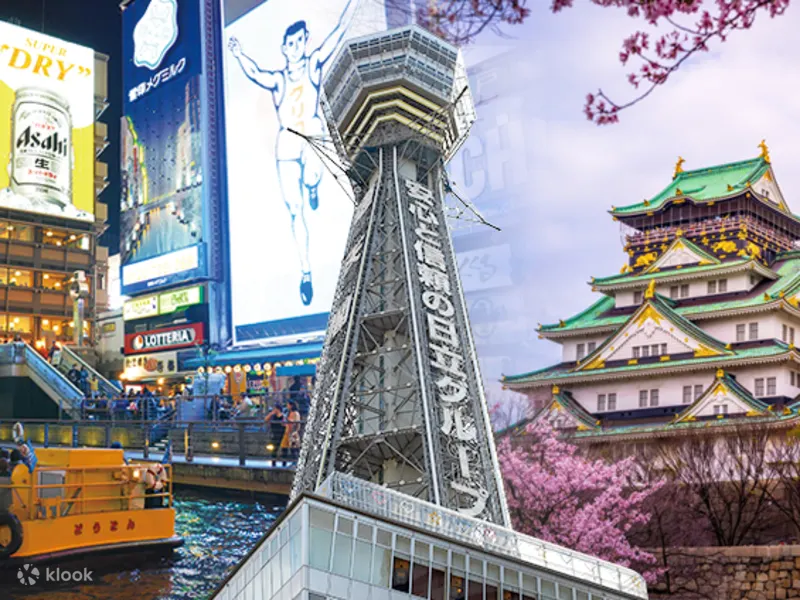
A relaxed city day that shows you the parts of Osaka that are not Dotonbori.
- Morning: Osaka Castle and its park. The grounds are pleasant to walk, and the castle is the city’s signature view. Check current hours and any ticket line before you go.
- Midday: Kuromon Ichiba Market for a standing-and-grazing lunch — seafood, skewers, fruit, and snacks you eat as you walk.
- Afternoon/Evening: choose your skyline. Umeda Sky Building’s open-air deck is the polished option; Shinsekai and Tsutenkaku give you retro, working-class Osaka and kushikatsu. Both are good “last night” scenes.
For a city day that hops between several paid sights and some transport, the Osaka Amazing Pass can be worth it — but only if your route actually matches what it covers. Compare it against your real plan rather than assuming it saves money: Compare the Osaka Amazing Pass on Klook.
Option B — One Day Trip
Osaka is an excellent base for a single day trip, and this is where staying in the right area pays off.
- Nara is the easy, high-reward choice. From Osaka-Namba, Kintetsu trains reach Kintetsu-Nara in roughly 40 minutes on fast services, dropping you a short walk from the deer, Todai-ji and Nara Park. Plan the station and timing first with Nara Day Trip from Osaka or Kyoto.
- Kyoto works too, especially from Umeda: JR from Osaka Station reaches Kyoto Station in about 30 minutes on a Special Rapid service.
If you would rather have Nara and Kyoto highlights handled in one guided loop instead of building the logistics yourself, compare a day tour: See a Kyoto and Nara day tour on Klook.
How to Adapt These 3 Days
The plan above is a spine, not a cage. Bend it to your trip:
- Rain or extreme heat: front-load the covered options. Umeda’s underground malls and department-store food floors, Kuromon Market, and the USJ day itself all work in bad weather; save Osaka Castle park and open-air decks for the clear day.
- Traveling with kids: put USJ on Day 2 as planned, keep Day 1 short, and choose the Nara day trip over Kyoto on Day 3 — the deer park is the easiest win with children.
- Slower pace / older travelers: drop one day-three sight, not the food. Osaka’s pleasure is in eating and wandering, not in ticking boxes.
- Only interested in food and city, not USJ: swap Day 2 for a second day trip (Kyoto or Himeji) or a deeper Osaka food day, and keep your central base.
Food Near the Route
Two companion guides go deeper than this itinerary has room for: What to Eat in Osaka covers the six dishes worth your stomach space and what they actually cost, and How to Order Food in Japan explains ticket machines, counters and the small charge that surprises people at izakaya.
You do not need a restaurant spreadsheet in Osaka; you need to know what to order and eat it near where you already are.
- In Namba/Dotonbori: takoyaki, okonomiyaki, kushikatsu (remember the no-double-dipping rule on the shared sauce), ramen, and late-night casual food. This is your evening engine.
- At Kuromon Ichiba: graze — grilled seafood, wagyu skewers, fresh fruit, and snacks eaten standing up.
- In Umeda: the underground food halls and department-store basements (depachika) are the tired-traveler’s friend, especially after a long day or in bad weather.
Opening hours and busy times shift by season and day of week, so check the day before rather than trusting a fixed schedule.
Where to Stay for This Itinerary
Choose the area for how you want your days to feel, then compare live availability on Agoda for your exact dates.
🏠 Local note: you will pay the lodging tax at the desk, even if you prepaid
Osaka charges an accommodation tax per person per night, based on the room-only rate: nothing under ¥5,000, ¥200 from ¥5,000, ¥400 from ¥15,000, and ¥500 from ¥20,000. The part worth knowing is procedural. For bookings made from 1 March 2026, Osaka, Kyoto and Tokyo all charge this tax separately from the room rate, which means it is collected at the property on arrival even when you paid for the room in advance. It is small money, but nobody enjoys a surprise at a check-in desk after a flight, so budget a few hundred yen a night per person and have it ready.

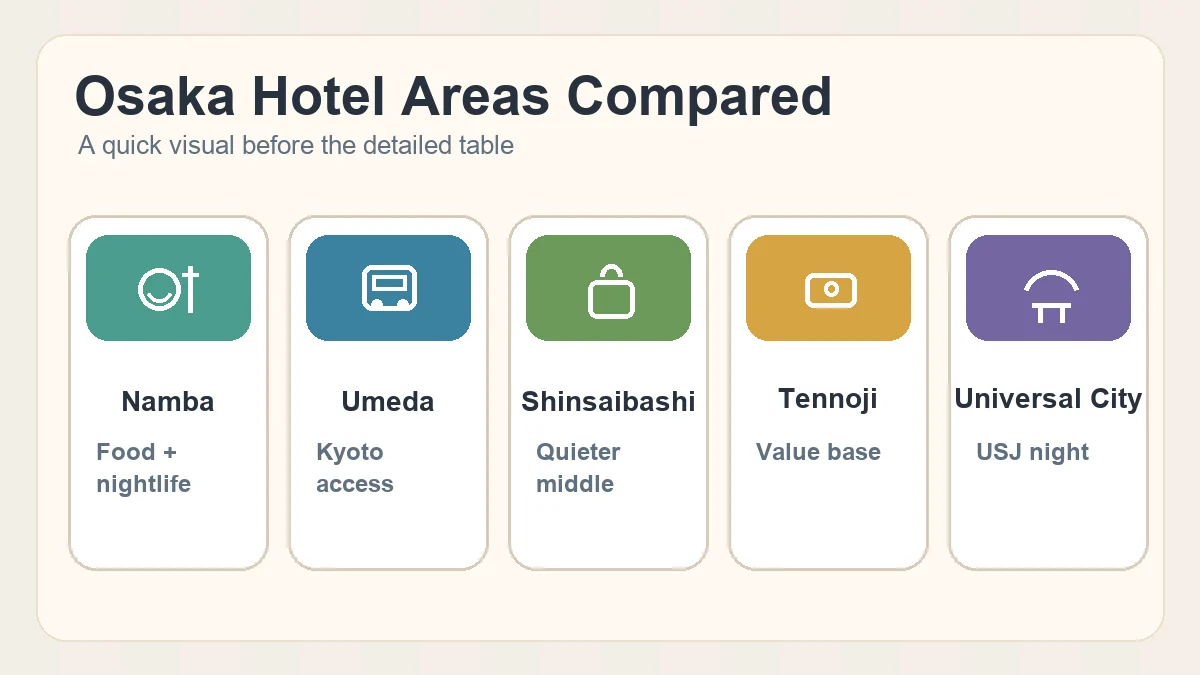
Namba — best all-round first-timer base. Closest to the food-and-nights, simple airport arrival, clean access toward Nara. See Swissotel Nankai Osaka on Agoda.

Shinsaibashi / Dotonbori — walk-everywhere nightlife. You step straight into the action. See Cross Hotel Osaka on Agoda.

Umeda — best if Kyoto is a big part of the trip. Station-first, easy JR departures, strong for the next-day move. See Hotel Granvia Osaka on Agoda.
For a full booking walkthrough — dates, cancellation, avoiding the wrong area — read How to Book Osaka Hotels on Agoda.
3 Days in Osaka: Common Questions
Is three days enough for Osaka?
Three days is close to ideal for a first visit, and it is the reason this plan exists. It gives you one arrival evening, one full USJ day, and one day that is either the city or a day trip. Two days means dropping USJ or dropping the day trip. Four or more and you should be adding an overnight in Nara or Kyoto rather than a fourth Osaka day.
Should I stay in Namba or Umeda?
Namba for a first trip. It is the food-and-nights half of Osaka, the airport arrival is simple, and Nara is a straight run from Osaka-Namba. Choose Umeda instead if Kyoto is the bigger part of your trip, because the JR departures are cleaner from there.
Do I need the Osaka Amazing Pass?
Only if your actual route matches what it covers. It pays off on a dense city day with several paid sights and a lot of subway hops, and it is a waste on a day trip day or a USJ day. Add up the sights you genuinely intend to enter, then compare.
How far in advance should I book USJ tickets?
As soon as you have fixed your dates. Tickets are usually released about two months out, the price depends on the date, and the cheaper days sell into the more expensive tiers as they fill.
Is Osaka a good base for Kyoto and Nara?
For a first trip, yes. Nara is roughly 40 minutes from Osaka-Namba on fast Kintetsu services and Kyoto is about 30 minutes from Osaka Station on a JR Special Rapid. Both work comfortably as day trips, and you keep one hotel for the whole trip instead of moving with luggage.
Is Osaka walkable?
The districts are. Namba, Dotonbori and Shinsaibashi run into each other on foot, and that stretch is where you will spend most of your evenings. Between districts you take the subway, which is dense, cheap and easy to read in English.
What is the one thing to eat in Osaka?
Okonomiyaki if you only get one. Takoyaki is the more famous souvenir photo, but okonomiyaki is the meal. And at a kushikatsu counter, do not dip a skewer in the shared sauce twice. It is the one local rule everyone will notice you breaking.
Is Osaka good in bad weather?
Better than most Japanese cities, because so much of it is underground or covered. Umeda’s underground malls, the department store food halls, the Shinsaibashi arcade and Kuromon Market all work in rain, and USJ runs regardless.
The Day After: Where This Trip Goes Next
Three days in Osaka sets you up well for whatever is next:
- Moving to Kyoto? Base your last Osaka night in Umeda for the cleanest luggage move, then carry the same “choose the area first” logic into your Kyoto hotel.
- Adding more Kansai days? Turn one of your day trips into an overnight and give Nara a real evening instead of a rushed afternoon.
Plan Your First Japan Trip
Planning your first trip and want the shortcuts in one place? Get the free Japan Starter Guide for a simple Kansai plan, the best order to visit without rushing, and local tips from someone based in Nara.