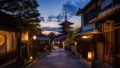
This article may contain affiliate links. If you book or buy through these links, we may earn a commission at no extra cost to you. This does not affect our recommendations.
Last fact-checked: July 27, 2026. Temple hours, entry fees, train times and hotel availability change through the year, so treat the plan below as logic to adapt, and check the current hours and price before you go.
Two days is enough to see the Kyoto you came for, if you stop trying to see all of it. Kyoto has hundreds of temples and shrines; a good first trip picks two clear areas and walks them well. This plan does exactly that: Day one is southern Higashiyama and Gion — the classic postcard Kyoto. Day two is Arashiyama and Fushimi Inari — the bamboo and the red gates. Everything is grouped so you walk, not commute.
If you have not landed yet, the getting-in logic is its own guide: First Day in Kyoto: Kansai Airport to Your Hotel.
- Quick Answer: The 2-Day Kyoto Shape
- Who This Plan Is For
- Before You Start
- What Two Days in Kyoto Actually Costs
- Getting Around Kyoto
- Day 1 — Southern Higashiyama and Gion
- Day 2 — Fushimi Inari and Arashiyama
- How to Adapt These 2 Days
- Food Along the Way
- Kyoto in Two Days: Common Questions
- Where to Stay for This Itinerary
- Extend the Trip: Add a Day Trip
- Plan Your First Japan Trip
Quick Answer: The 2-Day Kyoto Shape
- Base: stay Downtown (Kawaramachi/Shijo) or in Gion for a walkable first trip; stay near Kyoto Station if day trips matter more. All work for this plan.
- Day 1 — Southern Higashiyama and Gion: Kiyomizu-dera, the Sannenzaka–Ninenzaka slopes, Yasaka Shrine, then Gion and Pontocho in the evening.
- Day 2 — Arashiyama and Fushimi Inari: the bamboo grove and Tenryu-ji in the morning, the thousand red gates of Fushimi Inari in the afternoon or early morning.
- Golden rule: start early. Kyoto’s famous spots are calm and photogenic at opening and crowded by late morning.
| Day | Focus | Book ahead |
|---|---|---|
| Day 1 | Higashiyama temples + Gion evening | Kimono rental, a Gion walking tour |
| Day 2 | Arashiyama + Fushimi Inari | Nothing required; a tea ceremony if you want one |
Quick hotel picks for this 2-day route: choose Downtown for the easiest food-and-walking base, Gion/Higashiyama for the most atmospheric first morning, or Kyoto Station if Nara, Osaka or the airport are part of the same trip. Compare your exact dates before you book.
Choosing an area first? Use Where to Stay in Kyoto.
Who This Plan Is For
- Made for: first-time visitors with two full days, average fitness, who would rather see four places properly than nine places badly.
- Also works if you are based in Osaka: every stop here is reachable as a day trip. Kyoto is under 30 minutes away on the fastest JR trains and about 45 minutes on the Hankyu and Keihan lines, so you simply start earlier.
- Not the plan for you if you have your heart set on Kinkaku-ji, the Golden Pavilion, and Nijo Castle. Those sit on the other side of the city and turn a walking trip into a bus trip. There is a swap for that in How to Adapt below.
🏠 From someone who lives here
I live in Nara, about 45 minutes from Kyoto by train, and I have walked this route in every season. The Kyoto you have seen in photographs, with empty stone lanes and nobody else in the frame, is real. It just mostly exists between opening time and about 9:30 in the morning. The same lane at one in the afternoon is a queue. Nothing else in this itinerary matters as much as your start time.
Before You Start
- Set up an eSIM. You will lean on maps and train times all day. Start with Best eSIM for Japan.
- Book the experiences that sell out, early. Kimono rentals and small-group tours fill up in peak seasons; the temples themselves you just walk into.
- Pick a walkable base. In Kyoto, distance to a subway or the Keihan/Hankyu lines saves you more than a cheaper room does.
- Get an IC card on arrival. Suica or ICOCA works on Kyoto city buses, the subway and the private railways in this plan, and it saves you counting coins at the front of a crowded bus.
- Carry some cash. Cards are widely accepted now, but small temple offices, some entry gates and older shops are still cash only.
What Two Days in Kyoto Actually Costs
Per person, excluding your hotel and excluding any tours you choose to add. Kyoto is cheaper than most first-timers expect, and several of its best sights are free.
| What | Rough cost | Notes |
|---|---|---|
| Temple and shrine entry, 2 days | ¥1,500–2,500 | Kiyomizu-dera is ¥500 and Tenryu-ji’s garden ¥500. Fushimi Inari, Yasaka Shrine, the Gion lanes and the bamboo grove are all free. |
| Local transport, 2 days | ¥1,000–1,600 | City buses are a ¥230 flat fare inside the central zone, and the train hops in this plan are short ones. |
| Food, casual | ¥3,000–5,000 per day | Market snacks, a noodle lunch, and an izakaya or Pontocho dinner. |
| Kyoto lodging tax | ¥200–1,000 per person per night | Charged on top of your room rate. See the note under Where to Stay. |
| Optional experiences | varies | Kimono rental and a tea ceremony are the two worth booking ahead. |
Prices move, and so does the yen. Treat these as planning ranges rather than quotes, and check the current price on the day.
Getting Around Kyoto
Kyoto is a walk-bus-and-train city, and that shapes this plan:
- Walk each area; don’t criss-cross. The itinerary groups sights so you stay on foot within Higashiyama or Arashiyama instead of crossing the city twice.
- City buses reach the temples but fill up. They are useful and cheap, but slow and crowded at peak times, so build in buffer and keep an IC card topped up.
- The subway and the Keihan and Hankyu railways are faster for longer hops, like downtown out to Fushimi or the connections toward Arashiyama.
- The real time-saver is an early start. Arriving at a famous sight near opening beats any transport trick.
- Taxis are reasonable for short hops when your legs are finished, especially split between two or three people at the end of a temple day.
One change worth knowing about: Kyoto has proposed a two-tier bus fare, lower for residents and higher for everyone else, to ease the pressure on routes locals depend on. It is a proposal rather than a rule today, and the city has pointed at fiscal 2027 for a full rollout, so check the current fare when you arrive instead of assuming the flat ¥230.
⚠️ The mistake almost every first-timer makes
Putting Kiyomizu-dera and Kinkaku-ji on the same day. On a map they look close together. In practice they sit on opposite sides of the city, connected mostly by slow buses, and you can lose two hours of a two-day trip sitting in traffic. Pick one side of Kyoto per day. That is the whole secret of this itinerary.
Day 1 — Southern Higashiyama and Gion
This is the Kyoto of the postcards, and it is best walked south-to-north in the morning, before the slopes fill up.
| When | Where | Why it is in this order |
|---|---|---|
| Early morning about 2 hrs |
Kiyomizu-dera | The highest point of the day. Near opening the terrace is calm; by late morning it is a slow-moving crowd. |
| Late morning about 1.5 hrs |
Sannenzaka and Ninenzaka | You walk down them from Kiyomizu, which is kinder on the legs and puts the Yasaka Pagoda view in front of you. |
| Afternoon about 2 hrs |
Kodai-ji, Maruyama Park, Yasaka Shrine | A gentle downhill drift that lands you at the entrance to Gion, with a park to rest in on the way. |
| Evening about 3 hrs |
Gion and Pontocho | Lanterns on, canal lit, dinner in the riverside alley. This is the payoff, so do not schedule anything after it. |
Early morning: Kiyomizu-dera
Start at the hilltop temple for the view over the city, then walk down. Going early means the wooden terrace and the approach streets are calm; by late morning the same lanes are shoulder-to-shoulder. Kiyomizu-dera opens at 6:00 a.m., unusually early for a Kyoto temple and exactly why it works as a first stop, and adult entry is ¥500. The approach street is lined with snack and souvenir shops, which are a pleasure on the way down and a slow bottleneck on the way up. Hours and fees do change, so confirm on the temple’s official site before you go.
Late morning: the Sannenzaka and Ninenzaka slopes
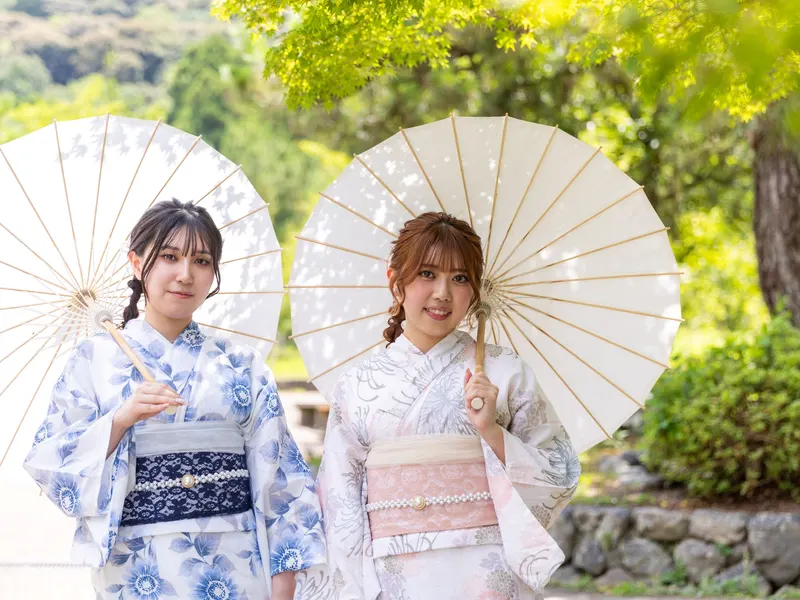
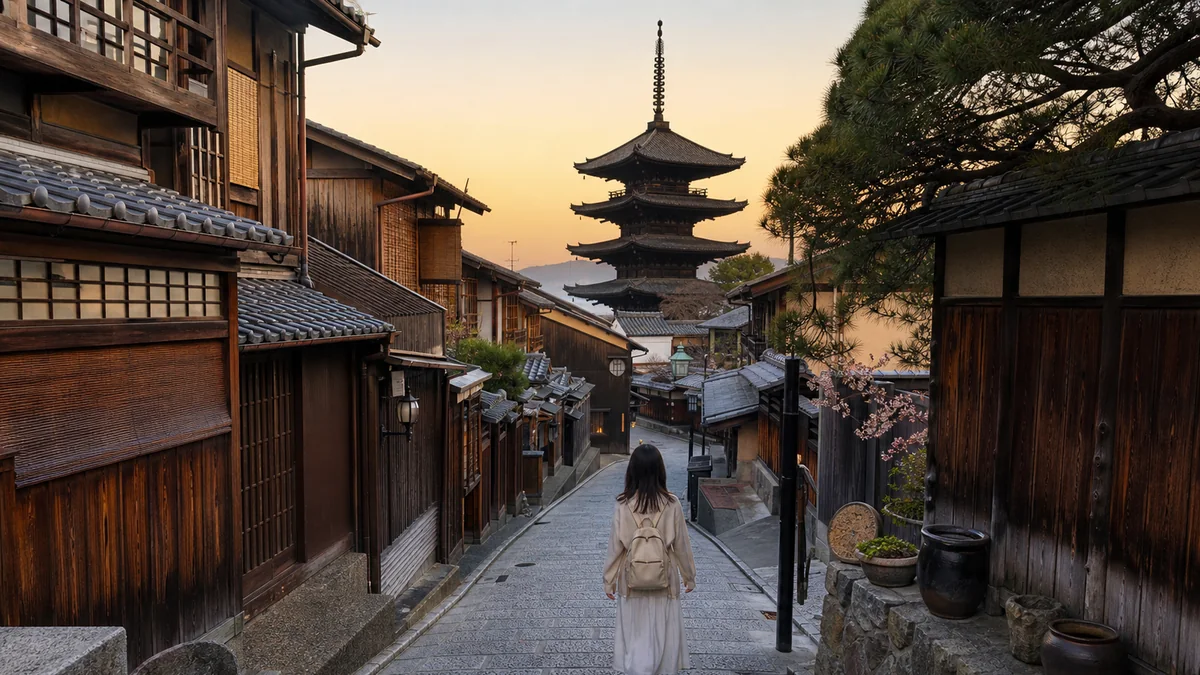
These preserved stone streets between Kiyomizu and Kodai-ji are the most photogenic in the city — old shops, tea houses, and glimpses of Yasaka Pagoda. This is where a kimono or yukata makes the photos every first-timer pictures; it is easiest booked ahead. Compare a Kyoto kimono rental on Klook.
Afternoon: Kodai-ji, Maruyama Park and Yasaka Shrine
Drift north through the temples and the park to Yasaka Shrine, which sits right at the entrance to Gion. Rest your legs here; the evening is the point.
Evening: Gion and Pontocho
As the lanterns come on, Gion is at its best. Walk Hanamikoji and the Shirakawa canal, then cross to Pontocho for dinner in the narrow riverside alley. A small-group evening walk is a low-effort way to actually understand the geiko districts instead of just photographing them. See a Gion evening walking tour on Klook.
🏠 Local note: how to be a good guest in Gion
Photography is banned on Gion’s private alleys, with a ¥10,000 fine attached, and there are signs and cameras in place. The rule exists because visitors were chasing and blocking maiko on their way to work. You can still photograph the public streets, including Hanamikoji, the Shirakawa canal and the Sannenzaka slope, so stay on those, never follow, touch or stop a maiko or geiko, and do not step into a private lane for a shot.
Day 2 — Fushimi Inari and Arashiyama
Day two trades temples on slopes for bamboo and red gates. Both sit on the edges of the city, so the early start matters even more than it did on day one.
| When | Where | Why it is in this order |
|---|---|---|
| Early morning 1.5–3 hrs |
Fushimi Inari | Free and open around the clock, so it is the one place you can realistically have close to yourself at seven in the morning. |
| Mid-morning about 3 hrs |
Arashiyama: bamboo grove, Tenryu-ji, Togetsukyo bridge | The grove is small and fills fast; the temple garden next door absorbs a crowd far better. |
| Afternoon flexible |
Monkey park, riverboat, or a slow lunch back in town | Deliberately left open. Two days of temples is enough for most people. |
Early morning: Fushimi Inari, or save it for late
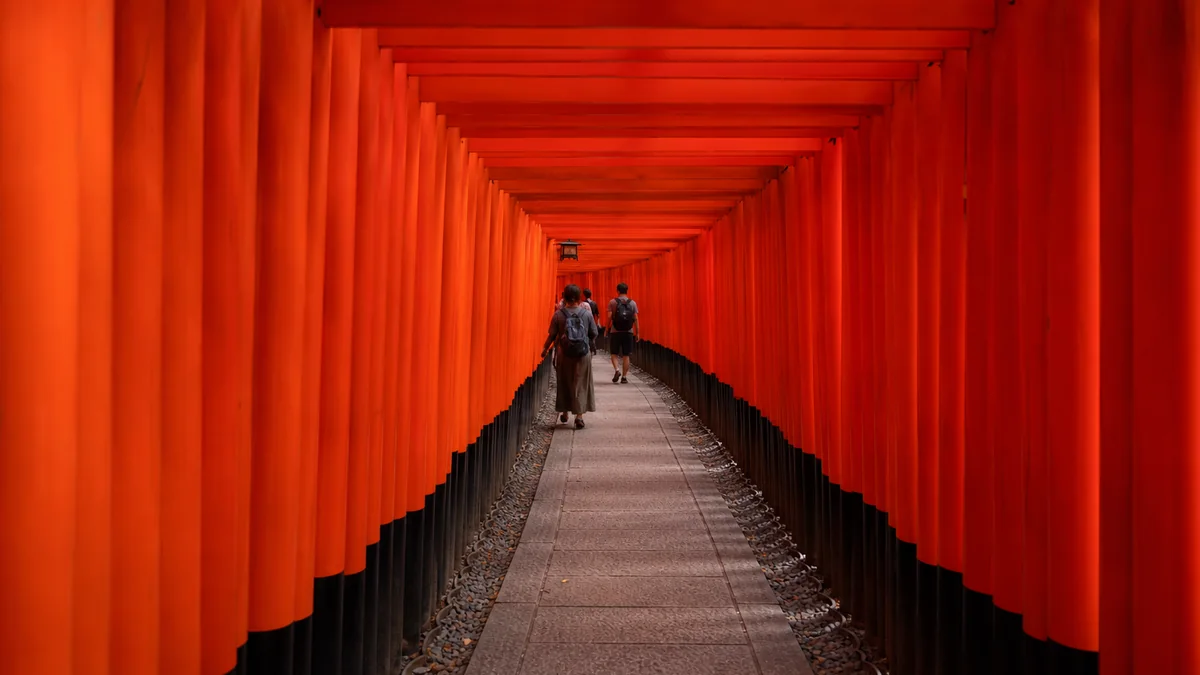
The shrine of a thousand vermilion torii gates is one of Kyoto’s signature sights, and it is generally open around the clock with free entry — which makes very early morning or early evening the calm windows. Check official notices for temporary restrictions after severe weather or special events. The full loop to the summit of Mount Inari is about four kilometres and takes roughly two and a half to three hours at a relaxed pace. Most visitors do not do it, and they are not missing the point: the densest, most photographed gates are in the first stretch, and the Yotsutsuji viewpoint about 30 to 45 minutes up is a natural place to turn around, with a good view back over the city. (You can also flip the day and do Fushimi at the end.)
Mid-morning: Arashiyama
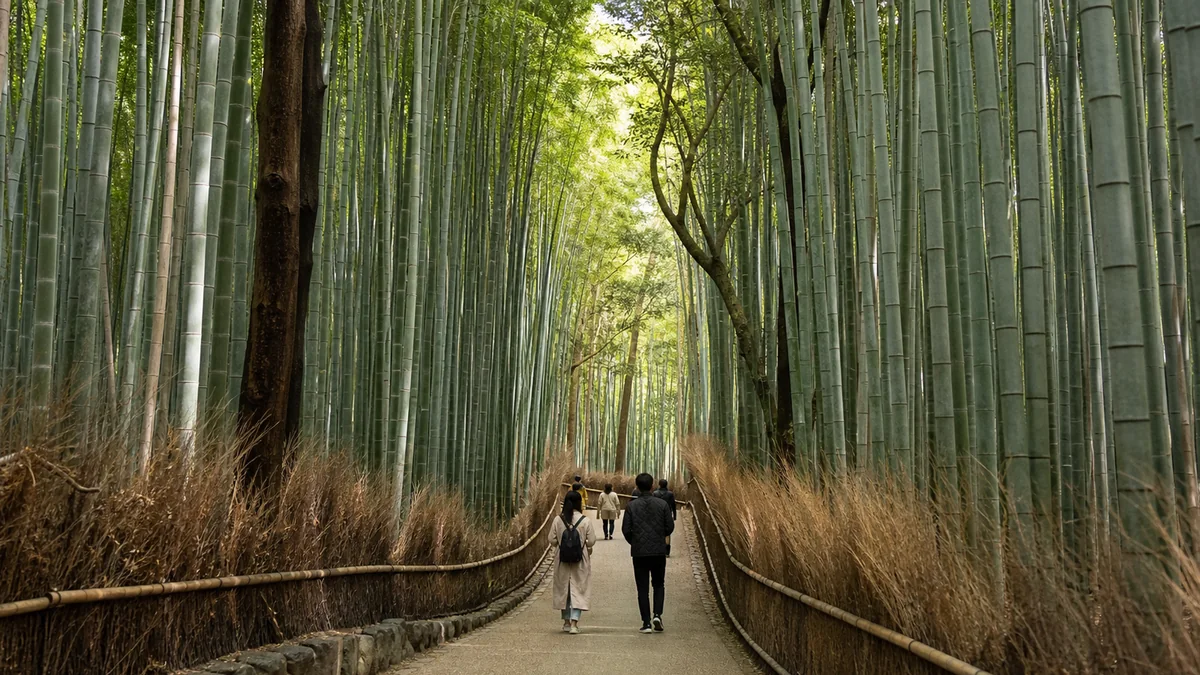
The bamboo grove is small and gets busy, so arrive early. Pair it with Tenryu-ji next door, whose Sogenchi garden borrows the Arashiyama hills as its backdrop and costs ¥500 to enter, or ¥800 with the temple halls and the dragon ceiling painting. Then the Togetsukyo bridge and a walk along the river. Arashiyama is a half-day on its own if you let it breathe.
⚠️ Do not build your day around the bamboo grove
It is beautiful, and it takes about ten minutes to walk. People arrive expecting a forest and find a lane. The reason to come to Arashiyama is the whole package, the temple garden and the bridge and the river and the hills behind it, so treat the bamboo as one stop inside that rather than the destination.
Afternoon: choose your pace
Add the Iwatayama monkey park or a riverboat if you have energy, or head back into the city for a slow late lunch. Kyoto rewards not cramming.
A cultural hour: if you want one “only in Kyoto” experience beyond temples, a traditional tea ceremony is a calm, indoor way to spend an hour. Compare a Kyoto tea ceremony on Klook.
For more bookable ideas — day tours, workshops, tickets — browse Best Klook Activities in Kyoto.
How to Adapt These 2 Days
The plan is a spine; bend it to your trip:
- Rain or extreme heat: swap an outdoor half-day for indoor Kyoto. Nishiki Market, department-store food floors, a tea ceremony, or teamLab all work when the weather does not. Compare teamLab in Kyoto on Klook.
- Prefer gardens and quiet over crowds: replace Kiyomizu with the northwest temples (Kinkaku-ji, Ryoan-ji, Ninna-ji) on day one.
- Traveling with kids or slower travelers: do one area per day, not two. Higashiyama on day one, Arashiyama on day two, and skip Fushimi if legs are tired.
- Only one full day? Do day one exactly as written; it is the most “Kyoto” of the two.
- Based in Osaka: the plan still works. Start 45 to 60 minutes earlier, and consider doing Fushimi Inari first, since it is on the way in from the south.
- Cherry blossom or autumn colour season: add an hour of buffer to every transfer and start each morning half an hour earlier. Crowds, not distance, are the constraint.

Food Along the Way
- Downtown / Nishiki Market: the easiest lunches and snacks, and the best rainy-day option. Grazing at Nishiki is a meal in itself.
- Kyoto specialties: obanzai (home-style small plates), yudofu (hot tofu, lovely near Nanzen-ji and Arashiyama), yuba, and matcha sweets. Save a kaiseki dinner for a night you are rested.
- Pontocho and Kiyamachi: the evening dining streets by the river, best after your Gion walk.
Two practical warnings. Kyoto closes earlier than most visitors expect, and plenty of kitchens stop taking orders well before the posted closing time, so a nine o’clock first dinner is a risky plan. And popular places fill up, so check the day before rather than trusting a fixed schedule.
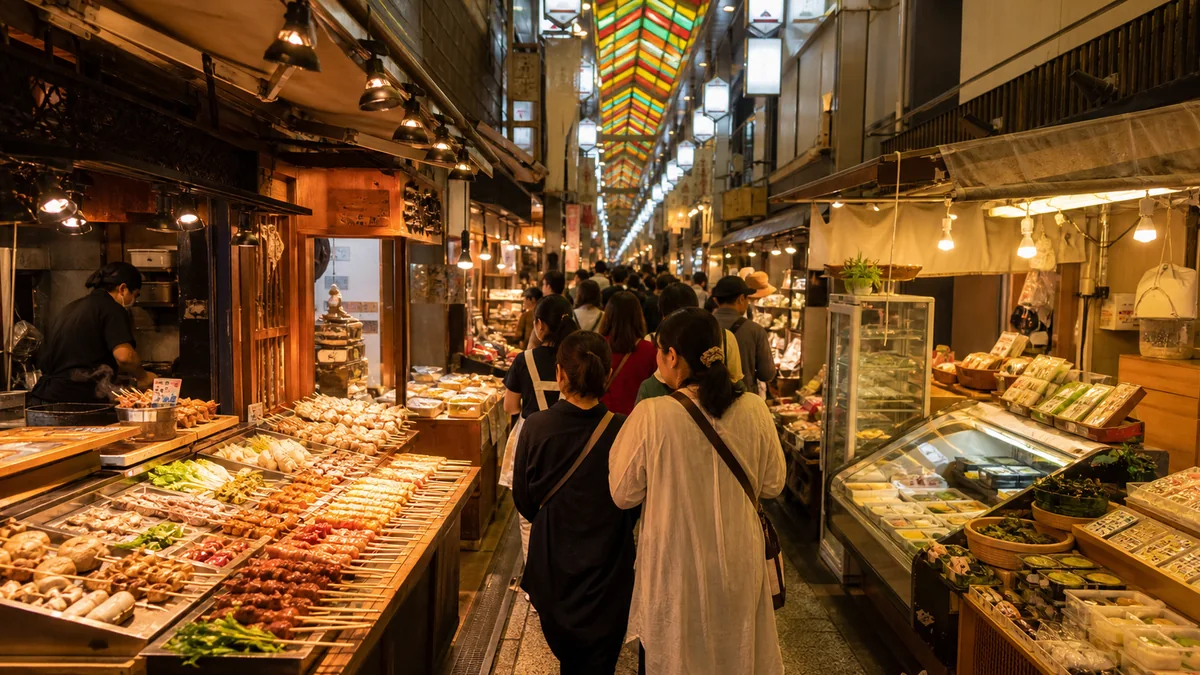
For the full picture — what obanzai is, why the expensive meal belongs at lunch, and the rule at Nishiki Market that most guides still get wrong — see what to eat in Kyoto.
Kyoto in Two Days: Common Questions
Is two days enough for Kyoto?
Two days is enough for a first visit, as long as you accept it as a highlights trip. You will see the two most iconic areas properly and leave with a real sense of the city. What two days cannot do is add Kyoto’s north and west, so Kinkaku-ji, Ryoan-ji and Nijo Castle, without turning both days into bus days.
What is the best time of year for this itinerary?
Late spring and autumn are the most beautiful and the most crowded. Winter is underrated: cold, clear, and the temples are quiet. Midsummer in Kyoto is genuinely hot and humid, and this is a walking plan, so if you come in July or August move everything earlier and build in indoor stops.
Do I need a rail pass for two days in Kyoto?
Almost certainly not. This plan uses a handful of short local hops and an IC card covers all of them. Rail passes earn their money on long-distance travel between cities, not on two days inside one.
Can I do this itinerary as a day trip from Osaka?
Yes, and plenty of people do. Kyoto is under 30 minutes from Osaka on the fastest JR trains and about 45 minutes on the Hankyu and Keihan lines. What you lose is the early-morning advantage, which is this plan’s main weapon, so start earlier than feels necessary.
Is Kyoto walkable?
Individual districts are very walkable. The city as a whole is not, and it is bigger than it looks on a map. Expect roughly 6 to 7 kilometres on foot each day with this plan, and wear shoes you would happily walk a city in, because the stone slopes are uneven and there are a lot of steps.
Do I need to book temples in advance?
No. Every temple and shrine in this itinerary is walk-in, and you pay at the gate on the day. The only things worth booking ahead are kimono rentals, tea ceremonies and guided walks, and mainly in peak season.
How much cash should I carry?
Cards work in most restaurants, hotels and shops now, but bring some cash anyway. Small temple offices, some entry gates, market stalls and older shops are still cash only, and running out mid-afternoon in Higashiyama is an annoying problem to solve.
What if it rains?
Kyoto handles rain better than most cities. Nishiki Market, the department store food floors, a tea ceremony and teamLab are all indoor, and a wet temple garden is often better than a dry one. See the swaps under How to Adapt above.
Where to Stay for This Itinerary
Choose the area for how you want your evenings to feel, then compare live availability on Agoda for your dates.
The short version: Downtown for a first trip. Gion if you want to step out of your door straight into day one. Kyoto Station if Nara and Osaka are also on your list.
🏠 Local note: Kyoto’s lodging tax went up in March 2026
Kyoto charges an accommodation tax per person per night on top of your room rate, and the rates were revised upwards for stays from 1 March 2026. It now runs in five bands: ¥200 for rooms under ¥6,000, ¥400 from ¥6,000, ¥1,000 from ¥20,000, ¥4,000 from ¥50,000, and ¥10,000 for rooms of ¥100,000 and above. For most travellers that is a few hundred yen a night rather than a budget problem, but it is collected separately at the property, so it should not be a surprise at check-in.

Downtown (Kawaramachi / Shijo) — best all-round walkable base. Next to Nishiki, Pontocho and the subway, a short walk to Gion. See Cross Hotel Kyoto on Agoda.

Gion / Higashiyama — atmosphere and early temple mornings. You start day one out your front door. See The Celestine Kyoto Gion on Agoda.

Kyoto Station — best if you are also doing day trips. Easiest for Nara, Osaka and the airport. See Hotel Granvia Kyoto on Agoda.
Compare Kyoto hotel availability on Agoda. Use the search box below after you choose Downtown, Gion, or Kyoto Station as your base.
If you are weighing Kyoto against an Osaka or Nara base for the wider trip, use Where to Stay in Kansai.
Extend the Trip: Add a Day Trip
If you have a third day, the easiest and most rewarding add-on is Nara — deer, Todai-ji, and a calmer pace, all a short train ride away. Plan the station and route with Kyoto to Nara Day Trip, or have Nara and Kyoto highlights handled in one guided loop: See a Kyoto and Nara day tour on Klook.
Plan Your First Japan Trip
Planning your first trip and want the shortcuts in one place? Get the free Japan Starter Guide for a simple Kansai plan, the best order to visit without rushing, and local tips from someone based in Nara.