This article may contain affiliate links. If you book through these links, we may earn a small commission at no extra cost to you.
Need the activities in a real route? Use Kyoto 2-Day Itinerary for First-Timers to place kimono rental, a Gion walk, tea ceremony and indoor backups into a simple schedule.
Before booking Kyoto activities, make your arrival day easy with First Day in Kyoto: Kansai Airport to Your Hotel, then choose the experiences that fit your first full day.
Quick answer: If you’re picky about a specific kimono shop or style, book kimono rental ahead on Klook — popular shops near Kiyomizu-dera and Gion can fill up on weekends and during cherry-blossom or autumn-leaf season. A tea ceremony is usually fine to decide once you’re in Kyoto and know your schedule. Everything else here is flexible.
- Who Should Read This
- What Kyoto Visitors Actually Book, With the Real Numbers
- Worth Booking Ahead
- What Kyoto Actually Costs, and the Pass You Should Not Buy
- Fine to Decide Once You’re There
- Quick Comparison Table
- Who Should Book What (By Traveler Type)
- Don’t Overbook Your Kyoto Days
- Kyoto Activities FAQ
- Do I need to book Kyoto temples in advance?
- Is the Kyoto Subway & Bus 1-Day Pass worth ¥1,100?
- What is actually worth pre-booking in Kyoto?
- When should I book teamLab Kyoto?
- Why is the tea ceremony only rated 4.3?
- Is a Gion walking tour worth it?
- How much should I budget for Kyoto sightseeing?
- What should I do on a rainy day in Kyoto?
- Bottom Line
Who Should Read This
- Book this if: you’re spending time in Kyoto and want to know what’s actually worth reserving in advance versus deciding once you’re there
- Skip this if: you’re not visiting Kyoto, or you’ve already read our Best Things to Book on Klook overview and just need the Kyoto-specific picks
What Kyoto Visitors Actually Book, With the Real Numbers
Here is what these experiences look like from the listings themselves, rather than from anyone’s opinion. The pattern is worth reading carefully, because the most-booked item and the highest-rated item are not the same thing.
| Experience | Rating | Reviews | Times booked | What the numbers tell you |
|---|---|---|---|---|
| teamLab Biovortex Kyoto | 4.8 / 5 | 2,652 | 200K+ | Huge volume and a high score. The safest booking on this page. |
| Kimono rental (Yumeyakata) | 4.7 / 5 | 4,654 | 60K+ | The most-reviewed Kyoto experience here. A known quantity. |
| Tea ceremony | 4.3 / 5 | 583 | 20K+ | Popular but the most variable. See the note below. |
| Gion geisha and hidden gems walk | 4.9 / 5 | 131 | 1K+ | Best score on the page, but a small sample. Promising, not proven. |
Ratings, review counts and booking counts above were read directly from the Klook product pages on 27 July 2026. They move over time — treat them as a snapshot, not a guarantee.
🏠 Read the 4.3 honestly — it is the most useful number here
A tea ceremony scoring 4.3 across 583 reviews is not a bad product; it is a variable one. Having sat through both kinds, the difference is almost entirely whether someone explains what is happening and why, in a language you speak. A ceremony you understand is quietly extraordinary. The same forty minutes without explanation is forty minutes of kneeling politely while something happens in front of you.
So when you open the page, do not just book the cheapest slot. Filter for an English-language session, check the group size, and read three recent reviews. That five minutes is the difference between the five-star experience and the three-star one, and it is entirely within your control.
Worth Booking Ahead
Kyoto Kimono Rental
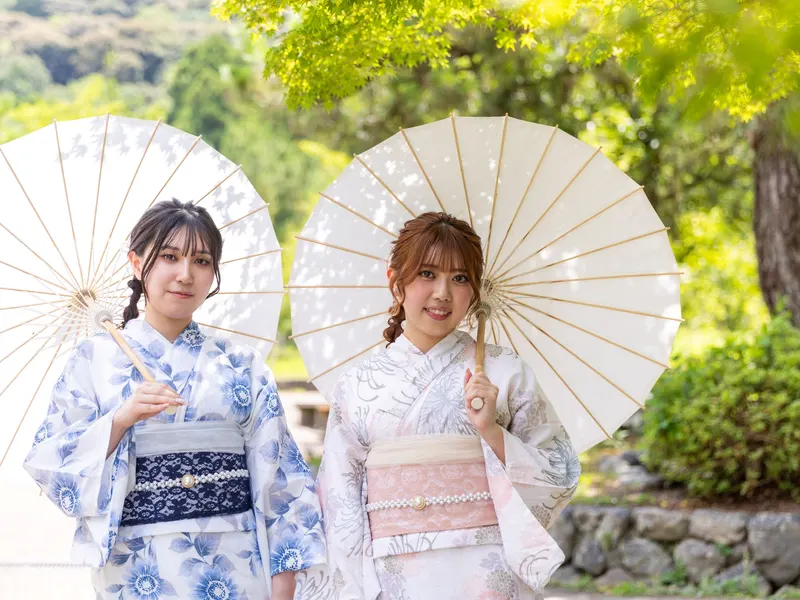
The most popular kimono rental shops near Kiyomizu-dera and Gion can be fully booked on weekends and during cherry-blossom/autumn-leaf season. If you have your heart set on a specific shop or style, it’s worth reserving ahead — otherwise you may end up walking between shops trying to find availability.
Book this if: you’re visiting during peak season (late March–early April or November) or you want a specific shop/style
Skip this if: you’re visiting in a quieter month and are flexible about which shop you use
Check Kyoto kimono rental options on Klook →
🏠 Two things decide whether the kimono day works
Take the earliest slot. The good sizes and patterns are gone by midday in high season, and morning light in Higashiyama is far kinder for photographs than the afternoon glare. This matters more than which shop you pick.
Then think about your feet. You will be in geta or zori sandals on stone slopes for several hours, and the return deadline is usually late afternoon. Plan a short flat loop — Yasaka Shrine, the lanes around Ninenzaka, back down — rather than a full day of temple stairs on the far side of the city. People who ignore this spend the last hour limping back, watching the clock.
What Kyoto Actually Costs, and the Pass You Should Not Buy
Kyoto is one of the cheapest major sightseeing cities in Japan, and the most common way to waste money here is buying a transport pass you will never use. So here are the real numbers before anything else.
| What | Price | Notes |
|---|---|---|
| Kinkakuji, the Golden Pavilion | ¥500 | Cash at the gate. No booking, cannot sell out. |
| Kiyomizudera | ¥500 | Same. Opens at 6:00 — the single best tip in Kyoto. |
| Fushimi Inari | Free | Open around the clock. Never closes, never sells out. |
| Kyoto city bus, any distance | ¥230 flat | Slow in traffic and in peak season. |
| Kyoto subway | ¥220–360 | Fast, but only two lines. |
| Subway & Bus 1-Day Pass | ¥1,100 | Adult. Children ¥550. |
⚠️ The ¥1,100 day pass needs about five rides to break even, and you will not do five
At ¥230 a bus ride, the Subway & Bus 1-Day Pass only pays off from roughly the fifth journey. A realistic Kyoto sightseeing day is two to four rides, because the good parts — Higashiyama, Gion, the Philosopher’s Path, Nishiki Market — are walked, not ridden. Most visitors who buy this pass lose money on it. Pay per ride or tap an IC card, unless your day genuinely is bus-heavy across the north-west.
Also note the bus-only day pass was abolished in March 2024 and no longer exists, so ignore any older guide that still recommends it. Kyoto has separately announced plans for two-tier bus pricing that would charge visitors more than residents; that has been reported but is best treated as a proposal — check the fare on the day rather than budgeting around it.
💰 Where the money in Kyoto actually goes
Two people can see Kinkakuji, Kiyomizudera and Fushimi Inari for ¥2,000 total in entry fees. Kyoto’s sights are close to free; your budget goes on the hotel and on the handful of experiences you cannot get anywhere else. That is the right way round, and it is why this guide keeps telling you not to pre-book temples. Spend on the kimono day and the evening slot, not on tickets to things that take cash at the gate.
Fine to Decide Once You’re There
Tea Ceremony
Smaller tea ceremony venues, especially in Kyoto, often take bookings the day before or even same-day for smaller groups. It’s worth checking once you know your schedule rather than reserving it months out.
Book this if: you want a specific venue or a private/small-group session on a set date
Skip this if: you’re happy with whichever venue has availability once you arrive
Check Kyoto tea ceremony experiences on Klook →
teamLab Kyoto

teamLab Biovortex Kyoto uses timed-entry slots, like other teamLab locations. Slots can fill on weekends, so it’s worth booking a few days ahead if you want a specific time.
Book this if: you want a specific date/time slot, especially on a weekend
Skip this if: your schedule is flexible — availability is usually fine on weekdays with a day or two’s notice
Check teamLab Biovortex Kyoto tickets on Klook →
⚠️ Kyoto closes at 17:00, and nobody warns first-timers
Almost every temple and garden in Kyoto shuts between 16:30 and 17:00. Visitors arrive with a packed daytime plan, walk out of the last temple at five o’clock, and find the city has nothing obvious left to offer for five hours. This is the most common way a Kyoto day ends badly, and it is entirely predictable.
This is the real argument for an evening timed-entry slot: it fills a gap that genuinely exists rather than adding to an already full day. Book teamLab for the evening, not the morning — mornings belong to temples that shut before dinner, and you cannot get those hours back.
Guided Walking Tours
Kyoto has plenty of guided walking tours through areas like Gion, Arashiyama, and Fushimi Inari. Most run daily with multiple time slots, so there’s rarely a need to book far ahead — but a Gion/geisha-district walking tour is worth checking if you want an English-guided evening slot specifically.
Book this if: you want a specific English-guided walking tour and time slot
Skip this if: you’re happy picking one on short notice — daily departures are common
Check Kyoto walking tour options on Klook →
Quick Comparison Table
| Experience | Book ahead? | Why | Link |
|---|---|---|---|
| Kyoto kimono rental | Worth it, especially peak season | Popular shops can book out on weekends/peak season | Check on Klook → |
| Tea ceremony | Optional | Many venues take next-day or same-day bookings | Check on Klook → |
| teamLab Kyoto | Worth it for a specific weekend slot | Timed-entry format | Check on Klook → |
| Guided walking tours | Optional | Daily departures common | Check on Klook → |
Who Should Book What (By Traveler Type)
- Solo traveler: Tea ceremony is an easy, low-commitment cultural experience to book last-minute
- Couple: Kimono rental is a popular shared activity — book ahead if you want a specific shop
- Family: Kimono rental sizing for kids can be limited, so book ahead if traveling in peak season
- First-time visitor: Kimono rental (if peak season) and a tea ceremony round out a classic Kyoto day
- Rainy day: Tea ceremony and indoor cultural experiences work well regardless of weather
Don’t Overbook Your Kyoto Days
Kyoto has an enormous number of temples, shrines, and streets worth just wandering through. It’s easy to fill every hour with pre-booked experiences and lose the parts of Kyoto that don’t need a reservation — quiet backstreets, small shrines, tea houses you stumble into. Book the one or two things with real sell-out risk and leave the rest open.
Kyoto Activities FAQ
Do I need to book Kyoto temples in advance?
No. Almost every temple and shrine in Kyoto takes cash at the gate, costs around ¥500, and cannot sell out. Kinkakuji and Kiyomizudera are both ¥500; Fushimi Inari is free and open around the clock. If a site is selling you “skip the line” temple tickets, you are paying for something that does not exist.
Is the Kyoto Subway & Bus 1-Day Pass worth ¥1,100?
Usually not. At ¥230 per bus ride it needs about five journeys to break even, and a normal Kyoto day involves two to four because so much of the city is walked. Buy it only if your day is genuinely bus-heavy, such as a run out to Kinkakuji and the north-west.
What is actually worth pre-booking in Kyoto?
Kimono rental if you are travelling in cherry-blossom or autumn season or want a particular shop, and a timed evening slot at teamLab. Those two have real capacity limits. Tea ceremonies and walking tours generally have space a day or two out.
When should I book teamLab Kyoto?
A few days ahead for a weekend, and always for an evening slot rather than a daytime one. Evening is when it solves a real problem, because the temples have closed and the city has gone quiet.
Why is the tea ceremony only rated 4.3?
Because the experience varies far more than the price does. The sessions people rate highly are the ones with an English explanation and a small group. Filter for those two things and read a few recent reviews before picking a slot, and the average stops being relevant to you.
Is a Gion walking tour worth it?
It rates 4.9, though across only 131 reviews so far, so treat it as promising rather than proven. The practical case for a guide is that they keep you out of the private lanes where photography is banned and fines are genuinely enforced — that alone justifies it for a lot of visitors.
How much should I budget for Kyoto sightseeing?
Less than you think. Three headline sights come to about ¥1,000 per person in entry fees, and walking covers most of the distance. Your real costs in Kyoto are the hotel and the accommodation tax, which rose sharply on 1 March 2026 — see Best Area to Stay in Kyoto for the bands.
What should I do on a rainy day in Kyoto?
teamLab, a tea ceremony, Nishiki Market’s covered arcade, and the department store food halls near Shijo. Temple gardens in light rain are also genuinely better than in sunshine — fewer people, better colour. Bring an umbrella rather than rewriting the day.
Bottom Line
For most first-time visitors to Kyoto, kimono rental is the one item worth locking in ahead of time if you’re visiting during peak season or have a specific shop in mind — everything else here is flexible enough to decide once you’ve settled into your Kyoto days.
Browse more Klook activities in Kyoto →
Not sure what else to book before your trip? Start with my free Japan Starter Guide for first-time visitors.
Get the Free Japan Starter Guide →
Planning where to base yourself? See our Best Area to Stay in Kyoto guide. Combining Kyoto with a Nara day trip? See Kyoto to Nara. Comparing platforms? Read Klook vs KKday for Japan Travel.
Not sure what to book before arrival? Start with this Japan pre-trip booking checklist.