This article may contain affiliate links. If you book through these links, we may earn a small commission at no extra cost to you.
If you’ve read our pre-trip checklist, you already know the basics: eSIM, hotel, and airport transfer. This guide is your starting point for the next layer — activities and experiences on Klook — with links to more detailed, area-specific guides if you want to go deeper.
We’re not going to tell you to book everything on this list. Most first-time visitors overbook and end up rushing between reservations instead of just wandering. The goal here is simple: know which few things are worth reserving ahead, and relax about the rest.

- Jump to a Detailed Guide
- Why Some Things Are Worth Booking Ahead — and Others Aren’t
- The Numbers, Before the Opinions
- Worth Booking Ahead (Across Japan)
- Fine to Decide Once You’re Here
- Where Booking Ahead Actually Saves Money — and Where It Saves Nothing
- Quick Comparison Table
- Not Sure Whether to Use Klook or KKday?
- Already Covered Elsewhere
- Klook Japan FAQ
- Is Klook actually cheaper than buying at the gate?
- What is the single best-value thing to book for a Kansai trip?
- How many things should I book before I fly?
- Do I need to print tickets?
- Which experiences genuinely sell out?
- Is Klook safe to use for Japan?
- Klook or KKday for Japan?
- What should I book first?
- The Bottom Line
Jump to a Detailed Guide
- Klook vs KKday for Japan Travel — deciding which platform to book with
- Best Klook Activities in Osaka — USJ, food tours, and more
- Best Klook Activities in Kyoto — kimono rental, tea ceremony, and more
- Best Klook Day Trips from Osaka or Kyoto — Nara and Kobe/Himeji compared
Why Some Things Are Worth Booking Ahead — and Others Aren’t
Two things tend to make an activity worth pre-booking:
- Timed or limited entry — a fixed date/time slot that can sell out, especially on weekends and holidays
- Fixed departure schedule — a tour or day trip that only runs a few times a day, or a few days a week
Everything else — a food tour with several daily departures, a tea ceremony at a small venue, a short guided walk — usually has enough flexibility that deciding a day or two ahead (or even the same morning) works fine.
The Numbers, Before the Opinions
Every guide on the internet will tell you a Japan experience is “a must”. Here instead is what the listings themselves say — ratings, review counts and how many times each thing has actually been booked. Sorted by volume, because volume is the honest signal: it is very hard to fake six million bookings.
| Experience | Rating | Reviews | Times booked |
|---|---|---|---|
| Universal Studios Japan Studio Pass | 4.8 / 5 | 87,974 | 6M+ |
| Osaka Amazing Pass | 4.7 / 5 | 21,000 | 1M+ |
| teamLab Biovortex Kyoto | 4.8 / 5 | 2,652 | 200K+ |
| teamLab Planets TOKYO | 4.7 / 5 | 20,794 | — |
| Kyoto kimono rental (Yumeyakata) | 4.7 / 5 | 4,654 | 60K+ |
| Kyoto tea ceremony | 4.3 / 5 | 583 | 20K+ |
| Mt. Fuji 5th Station day trip from Tokyo | 4.3 / 5 | 3,844 | — |
| Gion geisha and hidden gems walk | 4.9 / 5 | 131 | 1K+ |
| Kyoto and Nara combined day tour | 4.8 / 5 | 32 | — |
| Himeji Castle and Kobe night view | 4.3 / 5 | 10 | — |
Ratings, review counts and booking counts were read directly from the Klook product pages on 27 July 2026. Official prices were checked the same day. All of these move — treat the table as a snapshot, and check the current figure before you pay.
🏠 How to read this table, including the bits that are not flattering
The top three are genuinely safe bets: enormous volume and high scores. Below them the picture gets more interesting. The Gion walk has the best score on the whole page at 4.9, but across only 131 reviews — promising rather than proven. The Kyoto and Nara day tour has 32 reviews and the Himeji day has 10, which is simply not enough to draw a conclusion from. And the two 4.3s are not bad products; they are variable ones, where the outcome depends on choices you make when booking.
I am leaving all of them on the page with their real numbers attached, because a guide where everything scores 4.9 is a guide that is not telling you anything.
Worth Booking Ahead (Across Japan)
Universal Studios Japan

USJ uses timed entry, and tickets can sell out on weekends, holidays, and around new attraction launches. If a specific date matters to your itinerary, it’s worth booking before you fly rather than counting on a walk-up counter (availability varies by season — check current dates on Klook).
Because USJ has several ticket types, start with the full USJ Tickets Guide if you are unsure whether you need only a Studio Pass or an additional Express Pass / area-entry option.
Check Universal Studios Japan tickets on Klook →
teamLab Planets TOKYO
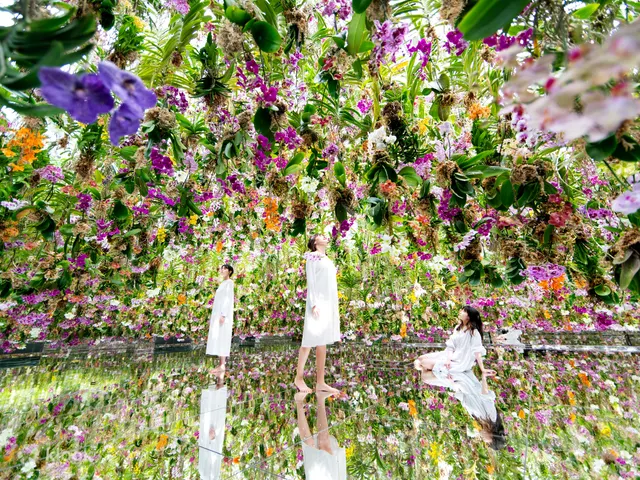
teamLab’s immersive digital art shows run on timed-entry slots that can sell out days or weeks ahead, especially in Tokyo. If it’s on your list, it’s generally safer to treat it like a reservation rather than a walk-in.
Check teamLab Planets tickets on Klook →
Kyoto Kimono Rental
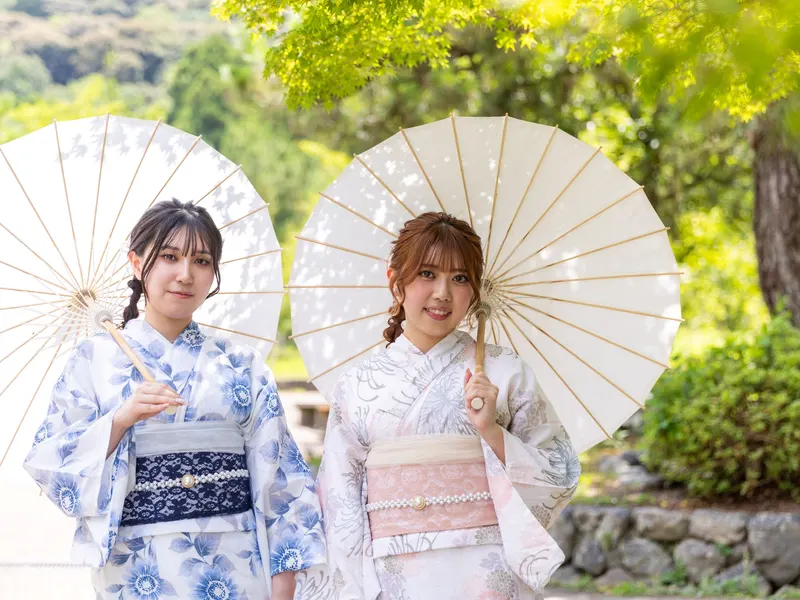
Covered in detail in our Kyoto activities guide — popular shops can book out on weekends and during peak season.
Check Kyoto kimono rental options on Klook →
Fine to Decide Once You’re Here
Osaka Food Tour
Covered in our Osaka activities guide — most tours run multiple times a day, so a day or two ahead is usually enough.
Browse Osaka food tours on Klook →
Kyoto Tea Ceremony
Covered in our Kyoto activities guide — many venues take next-day or same-day bookings.
Check Kyoto tea ceremony experiences on Klook →
Nara Guided Walk or Kyoto & Nara Day Tour
As someone based in the Nara/Kansai area, this is the one I get asked about most. Outside of peak cherry-blossom and autumn-foliage weekends, Nara experiences often have availability close to your date. See our full day trips comparison for Nara vs. Kobe/Himeji.
Check Kyoto & Nara day tour options on Klook →
Where Booking Ahead Actually Saves Money — and Where It Saves Nothing
Most of the advice about booking Japan experiences is really about availability, not price. But there are two places where the money is genuinely significant, and it is worth being precise about them.
💰 The single best-value ticket in Kansai: the Osaka Amazing Pass
The one-day pass costs ¥3,500 and covers unlimited Osaka Metro and city buses plus entry to around 40 attractions. Now price a completely ordinary Osaka day at the gate: Osaka Castle Museum ¥1,200, the Umeda Sky Building Floating Garden ¥1,500, the Tombori River Cruise ¥2,000. That is ¥4,700 before you have paid for a single train, and Osaka Metro rides run ¥190–420 each.
A realistic day comes to roughly ¥5,700 without the pass and ¥3,500 with it — about ¥2,200 saved, on an itinerary most first-time visitors follow anyway. Break-even is three attractions. It is the rare pass that does not need you to force your plans around it.
⚠️ The second real saving is USJ, and it is about the date, not the discount
Universal Studios Japan prices the Studio Pass in date-based tiers, and for visits from 1 September 2026 it also adjusts prices by date after tickets go on sale, based on demand. A new lower tier of ¥8,400 was introduced, ¥500 under the cheapest price available in the previous year — but only on quiet dates.
So the biggest saving in this entire guide is moving your visit by one weekday. Check two or three candidate dates, avoid Golden Week in early May, mid-July to August and the New Year period, and buy the specific date. You queue less as well, which is worth more than the money.
Where booking ahead saves you nothing at all
This is the part most affiliate sites leave out. A large share of the best things in Japan cannot be booked, cannot sell out, and cost almost nothing:
- Kyoto temples — Kinkakuji ¥500, Kiyomizudera ¥500, cash at the gate, no ticketing system at all.
- Fushimi Inari — free, open around the clock, never closes.
- Nara Park and the deer — free, open, no gates. A return train from Osaka-Namba is ¥680 each way.
- Dotonbori, Shinsekai, Naramachi, the Philosopher’s Path — these are streets.
If anyone tries to sell you a “skip the line” temple ticket, they are selling you something that does not exist. Put that money towards the one or two experiences with genuine capacity limits instead.
Quick Comparison Table
| Experience | Book ahead? | Why | Learn more |
|---|---|---|---|
| Universal Studios Japan | Worth it | Timed entry, can sell out on peak days | Osaka guide |
| teamLab Planets | Worth it | Timed-entry slots can sell out | — |
| Kyoto kimono rental | Worth it, if a specific shop/date matters | Popular shops can book out on weekends/peak season | Kyoto guide |
| Kyoto & Nara day tour | Optional, worth it in peak season | Often has availability close to your date | Day trips guide |
| Osaka food tour | Optional | Multiple daily departures common | Osaka guide |
| Tea ceremony | Optional | Many venues take next-day or same-day bookings | Kyoto guide |
Not Sure Whether to Use Klook or KKday?
See our honest comparison: Klook vs KKday for Japan Travel — including which links actually take you to an English booking page.
Already Covered Elsewhere
A few things deserve their own dedicated guide rather than repeating here:
- Airport transfer — see our full Kansai Airport Transfer Guide
- eSIM / staying connected — see Best eSIM for Japan
- Where to base yourself — see Best Area to Stay in Osaka, Best Area to Stay in Kyoto, and Where to Stay in Kansai
- Osaka-specific activities — see Best Klook Activities in Osaka
- Kyoto-specific activities — see Best Klook Activities in Kyoto
- Day trips from Osaka or Kyoto — see Best Klook Day Trips from Osaka or Kyoto
- Klook vs. KKday — see our platform comparison
Klook Japan FAQ
Is Klook actually cheaper than buying at the gate?
Sometimes meaningfully, mostly not. The real savings are on bundled passes like the Osaka Amazing Pass, where ¥3,500 replaces about ¥5,700 of gate prices and transport. For most single attractions you are paying roughly the counter price and buying convenience, a QR code, and the certainty of a slot.
What is the single best-value thing to book for a Kansai trip?
The Osaka Amazing Pass, if you are doing three or more paid Osaka attractions in a day. It breaks even at three and most first-time itineraries hit that without trying.
How many things should I book before I fly?
Hotels, then about four activities. Overbooking is a much more common mistake than underbooking — a schedule with something reserved every day removes your ability to react to weather, jet lag, or simply liking a neighbourhood enough to stay in it.
Do I need to print tickets?
No, almost everything is a QR code on your phone. Screenshot them before you leave the hotel; station and venue wi-fi is unreliable and you do not want to be loading an email at a turnstile. Bring a battery pack.
Which experiences genuinely sell out?
Universal Studios Japan on peak dates, teamLab evening slots, and kimono rental in cherry-blossom and autumn season. That is close to the whole list. What really sells out in Japan is hotels, which is why accommodation should be booked before any activity.
Is Klook safe to use for Japan?
It is a large established booking platform and the English product pages work without a Japanese address or phone number, which is the practical problem it solves. Read the specific product page rather than trusting the brand: check cancellation terms, whether admission is actually included, and the meeting point.
Klook or KKday for Japan?
For English-language booking from overseas we link Klook, because the English product pages and checkout are consistent. The full comparison is in Klook vs KKday for Japan Travel.
What should I book first?
Flights, hotels, then USJ if it is on your list, then an eSIM, then everything else. Full order in the pre-trip booking checklist.
The Bottom Line
You probably don’t need to pre-book your whole trip. A handful of things tend to benefit most from an advance reservation — USJ, teamLab, a Kyoto & Nara guided tour in peak season, and (if you’re picky about the shop) kimono rental. Everything else can usually wait until you’re here and have a feel for your actual pace. Use the guides above to go deeper on your specific region.
Browse all Japan activities on Klook →
Not sure what to book first? Start with my free Japan Starter Guide for first-time visitors.