This article may contain affiliate links. If you book through these links, we may earn a small commission at no extra cost to you.
This guide is about timing, not about a booking platform. The question that actually matters before a first trip to Japan is which handful of things genuinely sell out, and which ones you are better off deciding once you have landed and worked out your own pace. Get that wrong in the cautious direction and you spend your holiday running between reservations you made three months ago in a different mood.
Where a booking link is useful below, it goes to Klook, because their English product pages are the ones that reliably work for overseas visitors. If you want the platform comparison itself, that is a separate piece: Klook vs KKday for Japan.
The short answer
- Book before you fly: Universal Studios Japan, teamLab, a Mt. Fuji day tour, and kimono rental if you care which shop.
- Book a day or two ahead: food tours, tea ceremonies, guided walks.
- Do not book at all: temples, shrines, Nara Park, Fushimi Inari, Dotonbori. They take cash at the gate or are simply free.
- The one real deadline is USJ on a date that matters to you. Everything else has a second-best option.
- Four bookings is plenty for a first two-week trip. Most people make eleven and regret six.
If you’ve read our pre-trip checklist, you already know the basics: eSIM, hotel, and airport transfer. This guide goes one level deeper — into the activities and experiences worth locking in before you land, and the ones you can happily decide once you’re actually here.
We’re not going to tell you to book everything on this list. Most first-time visitors overbook and end up rushing between reservations instead of just wandering. The goal here is simple: know which few things are worth reserving ahead, and relax about the rest.
- Why Some Things Are Worth Booking Ahead — and Others Aren’t
- Worth Booking Ahead
- Fine to Decide Once You’re Here
- Already Covered Elsewhere (Don’t Duplicate These Here)
- How Far Ahead to Book Each Thing
- Quick Comparison Table
- FAQ
- How much should I actually pre-book for a first trip to Japan?
- Is it cheaper to book activities in Japan or before I go?
- Do I need to print tickets?
- What sells out that I would not expect?
- Is a Japan Rail Pass worth it for a Kansai trip?
- Can I book things once I arrive?
- What should I book first?
- Should I use KKday or Klook?
- The Bottom Line
Why Some Things Are Worth Booking Ahead — and Others Aren’t
Two things tend to make an activity worth pre-booking:
- Timed or limited entry — a fixed date/time slot that can sell out, especially on weekends and holidays
- Fixed departure schedule — a tour or day trip that only runs a few times a day, or a few days a week
Everything else — a food tour with several daily departures, a tea ceremony at a small venue, a short guided walk — usually has enough flexibility that deciding a day or two ahead (or even the same morning) works fine.
Worth Booking Ahead
Universal Studios Japan
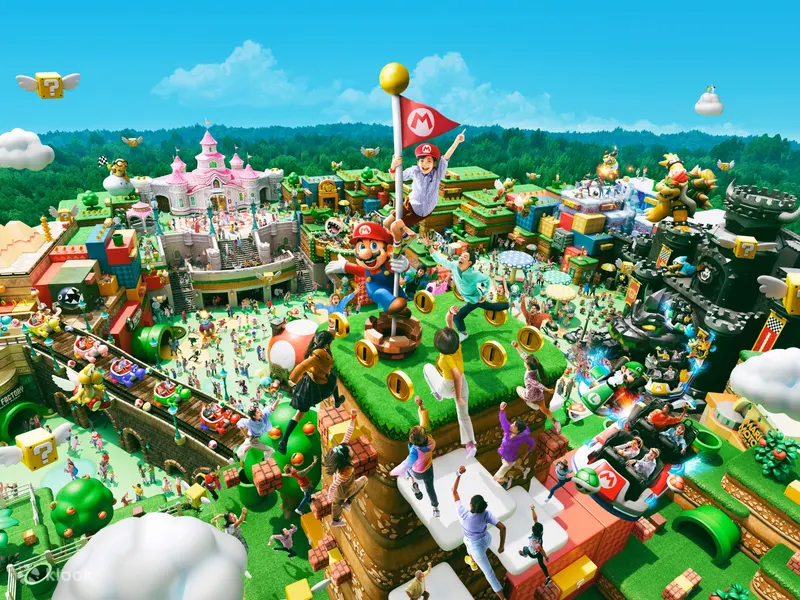
USJ uses timed entry, and tickets can sell out on weekends, holidays, and around new attraction launches. If a specific date matters to your itinerary, it’s worth booking before you fly rather than counting on a walk-up counter (availability varies by season — check current dates on KKday).
Check Universal Studios Japan tickets and dates on Klook →
⚠️ USJ prices are set by date, and the date is the decision
Universal Studios Japan does not have one ticket price. It runs date-based tiers, and for visits from 1 September 2026 the park also adjusts prices by date after tickets go on sale, based on demand. In practice a quiet Tuesday and a Golden Week Saturday are different products at different prices for the same park.
So do not book USJ for “some day that week”. Pick the cheapest date your itinerary allows, check it against the Japanese school holidays — Golden Week in early May, mid-July to August, and the New Year period — and buy that specific date. Shifting by one weekday is the single biggest saving available on this entire list, and it also buys you shorter queues.
teamLab (Borderless / Planets)

teamLab’s immersive digital art shows run on timed-entry slots that can sell out days or weeks ahead, especially in Tokyo. If it’s on your list, it’s generally safer to treat it like a reservation rather than a walk-in.
Check teamLab Planets Tokyo tickets on Klook →
🏠 If your trip is Kansai, do not fly to Tokyo for this
teamLab Planets is in Toyosu, Tokyo, and is scheduled to run until the end of 2027. It is genuinely worth a slot if Tokyo is on your itinerary. If it is not, there is a permanent teamLab in Kyoto, and it solves a problem this guide keeps coming back to: Kyoto’s temples close at 16:30 or 17:00, and first-time visitors are consistently caught out by how early the day ends. An evening slot fills exactly that gap.
Mt. Fuji Day Trip
Day tours to Mt. Fuji run on a fixed departure schedule with limited seats per bus, and popular dates can fill up in advance. If you only have one day to fit this in, it’s worth booking the specific date ahead rather than hoping there’s room.
Check Mt. Fuji day tours from Tokyo on Klook →
One honest caveat, since I am writing this from Nara: these tours depart from Tokyo, and Mt. Fuji is not a day trip from Kansai. If your trip is Osaka, Kyoto and Nara, the Fuji day is a Tokyo-leg decision, not a Kansai one. If you are trying to squeeze it in from Osaka, the honest answer is that you should either move it to your Tokyo days or drop it — and the second option is not the tragedy it sounds like.
The other thing nobody tells you: Fuji is frequently invisible. Cloud cover hides it on a large share of days outside the clear, cold months, and a bus tour runs whether or not the mountain is out. If you have one flexible day rather than one fixed day, keep it flexible and go when the forecast is clear.
Kyoto Kimono Rental
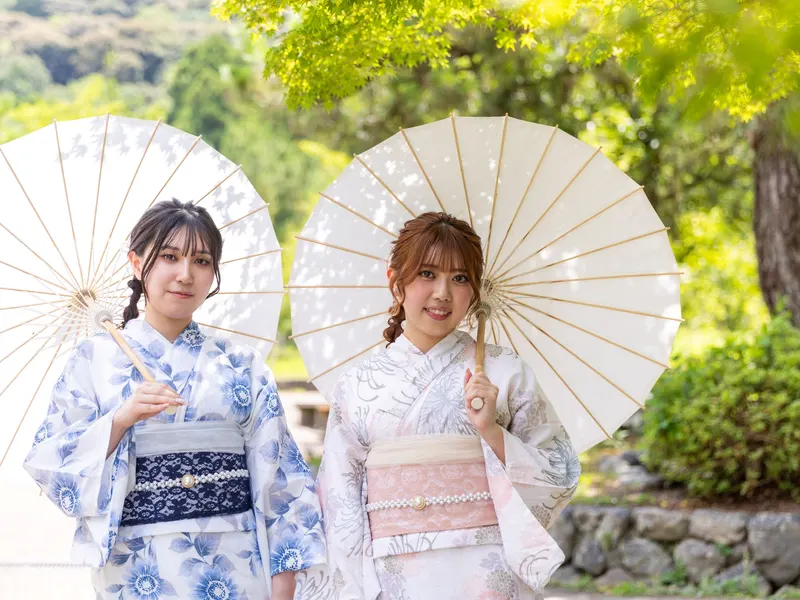
The most popular kimono rental shops near Kiyomizu-dera and Gion can be fully booked on weekends and during cherry-blossom/autumn-leaf season. If you have your heart set on a specific shop or style, it’s worth reserving ahead — otherwise you may end up walking between shops trying to find availability.
Check Kyoto kimono rental options on Klook →
🏠 Book the morning slot, and think about the shoes
Two things decide whether a kimono day is a good memory or a long one. First, take the earliest slot available: the good sizes and patterns go by midday in high season, and the morning light in Higashiyama is far better for photographs than the afternoon glare. Second, understand that you will be in geta or zori sandals on stone slopes for several hours.
Plan a short, flat route — Yasaka Shrine, the lanes around Ninenzaka, back down — and not a full day of temple stairs. Most shops require the kimono back by late afternoon anyway, so build the day around returning it rather than discovering the deadline at 16:00 on the far side of the city.
Fine to Decide Once You’re Here
Nara Guided Walk or Cultural Experience
As someone based in the Nara/Kansai area, this is the one I get asked about most — and outside of peak cherry-blossom and autumn-foliage weekends, small-group Nara walks and cultural experiences often have availability close to your date. If your trip lands during a quiet season, it’s fine to decide after you see how the rest of your itinerary is shaping up. (Peak-season weekends are a different story — check ahead if you’re traveling in late March–early April or November.)
Nara experiences: most of what makes Nara good needs no booking at all — the park is free, open, and never closes. Start with the self-guided route in Nara Day Trip from Osaka or Kyoto. If you only have one day for both Kyoto and Nara and would rather not solve the logistics yourself, a combined guided day is the one version worth pre-booking: See Kyoto and Nara day tours on Klook →
🏠 What I would actually book in Nara: nothing, and an early alarm
I live here, so this is the section where I am least neutral and most useful. The best hours in Nara Park are before 8am and after 5pm, and they cost nothing. The deer are calmer, the light through the trees near Kasuga Taisha is the reason photographers come, and Todai-ji at opening is a genuinely different building from Todai-ji at 11am. No tour sells you that. What sells out in Nara is not experiences — it is the small traditional inns during cherry-blossom and autumn weekends. If you are coming then, book the room early and leave the days empty.
Osaka Food Tour
Most Osaka food tours (Dotonbori, Shinsekai, izakaya crawls) run multiple times a day with several operators. There’s usually little need to lock this in weeks ahead — a day or two before tends to be enough.
See Osaka food tours on Klook → If you do only one guided thing on a Kansai trip, make it this, and make it your first night rather than your last. Osaka’s best food is in standing bars and counters with no English menu and an ordering ritual you are assumed to know. Two hours with someone who does it for you changes how you eat for the rest of the trip.
Tea Ceremony
Smaller tea ceremony venues, especially in Kyoto, often take bookings the day before or even same-day for smaller groups. It’s worth checking once you know your schedule rather than reserving it months out.
See Kyoto tea ceremony experiences on Klook → The one thing worth filtering for is an English-language session. The difference between a tea ceremony that stays with you and one that is forty quiet minutes of not knowing what is happening is entirely whether someone explains the why.
Already Covered Elsewhere (Don’t Duplicate These Here)
A few things from the original checklist deserve their own space rather than repeating them:
- Airport transfer — see our full Kansai Airport Transfer Guide for train vs. bus vs. private transfer
- eSIM / staying connected — see Best eSIM for Japan
- Where to base yourself — see Best Area to Stay in Osaka and Where to Stay in Kansai
If your itinerary includes a lot of regional train travel, it’s also worth checking whether a transportation pass makes sense for your route before you decide activity-by-activity — see our Kyoto to Nara guide for one common route example.
How Far Ahead to Book Each Thing
The table below is the version of this article I would give a friend. Lead times assume normal travel dates; in cherry-blossom season (late March to early April), Golden Week (roughly 29 April to 5 May) and the November autumn-colour weeks, roughly double everything.
| What | Book by | What happens if you leave it |
|---|---|---|
| Hotels | 2–3 months, or 6 in peak season | The genuine sell-out risk on the whole trip. Everything else has a plan B. |
| Universal Studios Japan | Before you fly, on a chosen date | Peak dates sell out, and late dates cost more under date-based pricing. |
| teamLab (Tokyo or Kyoto) | 1–3 weeks | The good evening slots go first; you take a 10am slot you did not want. |
| Mt. Fuji day tour | 2–4 weeks | Fixed departures and limited seats, and only from Tokyo. |
| Kimono rental | 1–2 weeks | You walk between shops asking, and end up with the afternoon slot. |
| Food tour, tea ceremony, guided walk | 1–3 days | Usually nothing. Several departures a day, several operators. |
| Temples, shrines, Nara Park, Fushimi Inari | Never | Nothing. Cash at the gate, or free. Do not let anyone sell you a ticket. |
Quick Comparison Table
| Experience | Book ahead? | Why |
|---|---|---|
| Universal Studios Japan | Worth it | Timed entry, can sell out on peak days |
| teamLab | Worth it | Timed-entry slots can sell out |
| Mt. Fuji day trip | Worth it | Limited seats, fixed departure dates |
| Kyoto kimono rental | Worth it, if a specific shop/date matters | Popular shops can book out on weekends and peak seasons |
| Nara guided walk | Optional | Often has availability close to your date outside peak season |
| Osaka food tour | Optional | Multiple daily departures common |
| Tea ceremony | Optional | Many venues take next-day or same-day bookings |
| Airport transfer | See dedicated guide | Fixed schedule, easier stress-free |
| Transportation passes | Depends on your route | See Kyoto to Nara guide |
FAQ
How much should I actually pre-book for a first trip to Japan?
Hotels, plus about four activities. That is it. The most common first-trip mistake is not underbooking but overbooking: a schedule with something reserved every day removes the ability to react to weather, jet lag, or simply finding a neighbourhood you want to stay in for three more hours.
Is it cheaper to book activities in Japan or before I go?
For the big timed-entry attractions, booking ahead is about availability rather than price — and with USJ’s date-based pricing, buying early for a chosen date is usually cheaper than buying late. For small experiences, the price is much the same either way, so book those close to the date and keep the flexibility.
Do I need to print tickets?
No. Almost everything is a QR code on your phone now. Screenshot them, because station and venue wi-fi is unreliable and you do not want to be loading an email in a queue. Bring a battery pack — a day of maps, photos and QR codes will finish a phone by late afternoon.
What sells out that I would not expect?
Hotels in Kyoto during cherry-blossom and autumn weeks, and the small traditional inns in Nara during the same windows. Attractions get busy; accommodation genuinely runs out. This is why the booking order is hotels first, activities second.
Is a Japan Rail Pass worth it for a Kansai trip?
Usually not. Every journey inside the Osaka–Kyoto–Nara triangle costs between about ¥410 and ¥760, and two of the three best routes run on private railways that a JR pass does not cover. It starts to make sense only if you are adding Tokyo or Hiroshima by Shinkansen. See Where to Stay in Kansai for the fares.
Can I book things once I arrive?
Yes, for most of this list, and it works better than people fear. What you need is data on your phone from the moment you land, which is the actual pre-trip purchase most people underrate — see Best eSIM for Japan. With connectivity, same-week booking is easy; without it, you are hunting for wi-fi to make a reservation.
What should I book first?
Flights, then hotels, then USJ if it is on the list, then an eSIM, then everything else. The pre-trip booking checklist has the full order.
Should I use KKday or Klook?
For English-language booking from overseas, Klook is the one we link, because the English product pages are consistent and the checkout works without a Japanese address or phone number. The full comparison, including where KKday is genuinely stronger, is in Klook vs KKday for Japan.
The Bottom Line
You probably don’t need to pre-book your whole trip. Four things tend to benefit most from an advance reservation — USJ, teamLab, a Mt. Fuji day trip, and (if you’re picky about the shop) kimono rental. Everything else on this list can usually wait until you’re here and have a feel for your actual pace.
For the full set of English booking links, area by area, start with the Klook Japan Guide for First-Time Visitors — and if you are still choosing a base, Where to Stay in Kansai should come before any of this.
Not sure what to book first? Start with my free Japan Starter Guide for first-time visitors.