This article may contain affiliate links. If you buy through these links, we may earn a commission at no extra cost to you. As an Amazon Associate, I earn from qualifying purchases.
Last checked: July 29, 2026. Amazon product availability, shipping, seller, package size and price can change. Always check the current Amazon page before buying.
- Quick Answer: What Should You Buy First?
- How to Use This Page
- 1. Japanese Curry: The Easiest Japan-at-Home Dinner
- 2. Furikake: The Small Rice Topping Japanese Homes Actually Use
- 3. Matcha and Green Tea: Good, But Do Not Buy It Only for the Image
- 4. Japanese Snacks: Buy for Fun, Not for Value
- 5. Japanese Stationery: Better Than Most Souvenir Items
- What I Would Not Buy on Amazon Before a Japan Trip
- My Practical Japan-at-Home Starter Set
- Planning Your Next Japan Trip?
Quick Answer: What Should You Buy First?
If you miss Japan after your trip, start with ordinary things Japanese people actually use at home, not novelty souvenirs.
- Japanese curry roux
- Furikake for rice
- Matcha or Japanese green tea
- A few snacks that remind you of convenience stores
- Japanese-style pens or notebooks
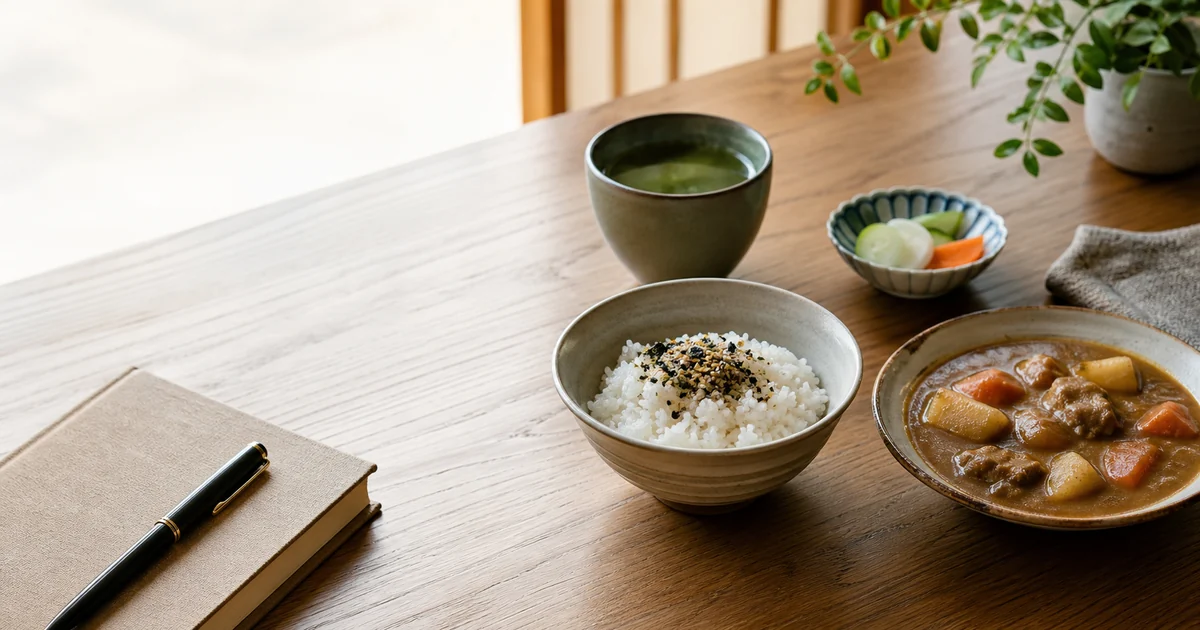
The point is not to recreate a tourist shop. It is to bring back the small everyday feeling of Japan: rice with furikake, curry on a weeknight, tea after dinner, and stationery that makes planning your next trip more fun.
How to Use This Page
I am not listing prices because Amazon changes them constantly. Use each link to check the current seller, delivery date and package size.
Also, be careful with imported food. A product may look Japanese, but the seller, package size and freshness can vary. For food, I prefer simple pantry items from familiar brands or categories that are easy to use at home.
1. Japanese Curry: The Easiest Japan-at-Home Dinner
Japanese curry is one of the most realistic things to buy after a Japan trip because it is not restaurant-only food. Many Japanese families make it at home, and it is also common in school lunches, casual restaurants and home cooking.
It is different from Indian or Thai curry. Japanese curry is usually thicker, milder and slightly sweet. You cook meat or vegetables, add water, then melt in the curry roux.
S&B Golden Curry
This is a practical starting point because it is widely recognized and easy to use. If you ate curry rice in Japan and want the most straightforward version at home, start here.
- curry rice
- curry udon
- curry with fried pork cutlet
- next-day curry toast

Japanese curry
S&B Golden Curry Medium Hot
View current Amazon pageCheck seller, package count and delivery before buying.

Japanese curry
S&B Golden Curry Mild
View current Amazon pageA milder option if you want the easiest first curry night.
Local note: in Japan, curry is not a fancy food. It is comfort food. If you want the feeling of a normal Japanese weeknight, curry is more honest than buying a decorative souvenir.
2. Furikake: The Small Rice Topping Japanese Homes Actually Use
Furikake is a dry seasoning you sprinkle over rice. It can include seaweed, sesame, bonito, egg, salmon or other flavors.
If you stayed in Japan and started to understand how central rice is, furikake makes sense. It is small, easy to use and very normal in Japanese homes. You do not need a recipe: make rice, sprinkle a little furikake, eat.
Nori Komi Furikake
Seaweed and sesame furikake is one of the safest starting points because it is simple and not too strange for first-time buyers.

Rice topping
Mishima Nori Komi Furikake
View current Amazon pageGood for simple rice bowls, packed lunches and quick breakfasts.

Rice topping
Mishima Furikake Pack
View current Amazon pageUseful if you already know you will use furikake often.
Local note: furikake is not something Japanese people use to impress guests. It is more like “I have rice, I need something quick.” That is exactly why it feels real.
3. Matcha and Green Tea: Good, But Do Not Buy It Only for the Image
Matcha is popular overseas, but it is easy to buy the wrong thing. Some matcha is for drinking straight. Some is better for lattes or baking. Some products are sweetened mixes.
If your memory is Kyoto, tea, temples and quiet streets, matcha can be a good Japan-at-home item. But choose based on how you will use it.
If You Want Straight Matcha
Look for unsweetened matcha, ideally with a clear origin and a small package size. Small packages are easier to finish while fresh.

If You Want Lattes or Baking
For lattes, smoothies or baking, a culinary-grade matcha may make more sense than paying for a ceremonial-grade tin.

Local note: in Japan, matcha is not only an aesthetic. It is also an ingredient. Matcha sweets, matcha latte, matcha ice cream and matcha-flavored snacks are all everyday ways people meet the flavor.
4. Japanese Snacks: Buy for Fun, Not for Value
Japanese snacks are fun after a trip, especially if you miss convenience stores. But they are not always the best value on Amazon because imported snack boxes can be expensive for what you get.
Buy snacks when the goal is fun, gifts or nostalgia. Do not treat them like the cheapest way to eat Japanese food.

Local note: Japanese convenience stores are not loved because every single snack is rare. They are loved because the whole system is easy: rice balls, drinks, hot snacks, sweets, umbrellas, payment machines and clean shelves in one place. A snack box gives only one piece of that feeling.
Read next: Japanese Convenience Stores: A First-Timer’s Guide
5. Japanese Stationery: Better Than Most Souvenir Items
Japanese stationery is one of the best Japan-at-home categories because it is useful even after the travel memory fades.
Pens, notebooks and small paper goods are popular in Japan because they make daily writing feel tidy and precise. You do not need to be a collector. A good pen and a simple notebook are enough.
- a fine black gel pen
- a travel journal notebook
- sticky notes or tabs for planning
- washi tape only if you already use paper planners
I will add specific stationery links after checking current product pages and seller details. For now, treat stationery as a category to explore, not a fixed shopping list.
What I Would Not Buy on Amazon Before a Japan Trip
Some things are better handled through travel-specific services or bought in Japan.
Do Not Buy Japan Transport Passes Randomly
Do not buy a rail pass just because it sounds official. Your route matters. Many first-time Kansai trips do not need an expensive nationwide pass.
Read next: Kansai Airport Transfer Guide and Kyoto to Nara Day Trip
Do Not Use Amazon for Hotels or Tickets
For hotels, use a hotel booking platform and pick the right area first.
Read next: Where to Stay in Kansai and Best Hotels in Nara
For activities and timed tickets, compare the current details on Klook or the official site.
Read next: Klook Guide for First-Time Japan Visitors and USJ Tickets Guide
Do Not Overpack Things Japan Sells Everywhere
You do not need to bring every small item from home. Convenience stores, pharmacies and 100-yen shops are part of the travel experience.
- you need a specific brand
- you need it immediately after landing
- it is cheaper or easier to get in your country
- it avoids a stressful first-day errand
My Practical Japan-at-Home Starter Set
If I were choosing a small set for someone who came back from Kansai and missed Japan, I would keep it simple:
- One curry roux
- One furikake
- One matcha or green tea
- One fun snack
- One pen or notebook for planning the next trip
That is enough. If you buy too much, it starts to feel like a souvenir box. If you buy a few things you actually use, Japan stays in your routine.
Planning Your Next Japan Trip?
- What to Book Before Your First Japan Trip
- Best eSIM for Japan
- Where to Stay in Osaka for USJ, Nara and Kyoto
- What to Eat in Kyoto
- What to Eat in Osaka
Planning your first Japan trip? Get the free Japan Starter Guide: Japan Starter Guide